
Austrian economics

“I don’t think that we should have billionaires because, frankly, it is so much money in a moment of such inequality, and ultimately, what we need more of is equality across our city and across our state and across our country.” Zohran Mamdani, mayor of New York Above all, it was Ludwig von Mises […]
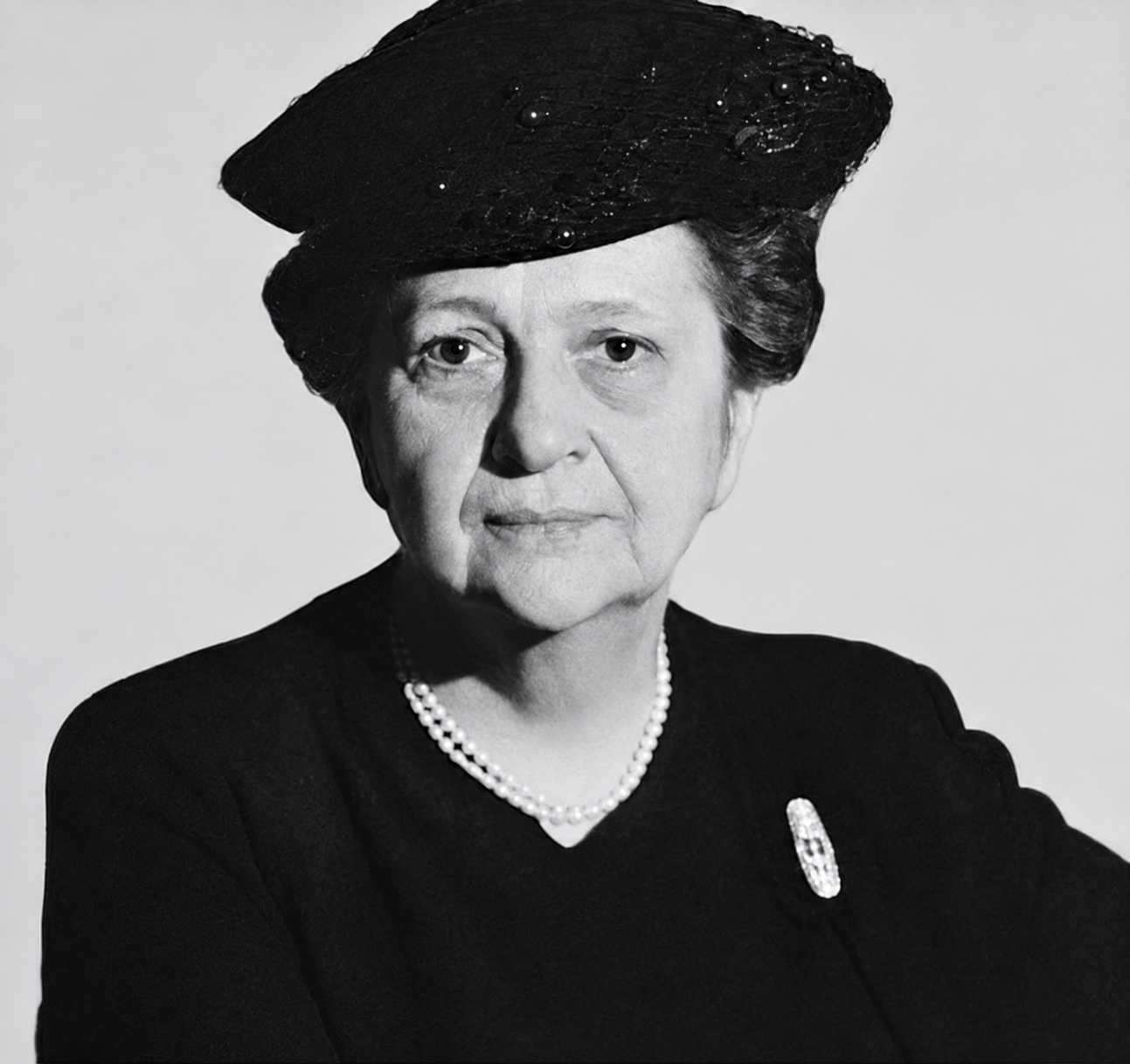
“She is a very competent theoretical economist and also very good in applied economics. She was working at the Austrian Institute for Trade Cycle Research under Dr. Morgenstern, and I know that he was very pleased with her work and would be willing to give her good recommendations”. Gerhard Tintner (1907-1983) Although relatively little […]
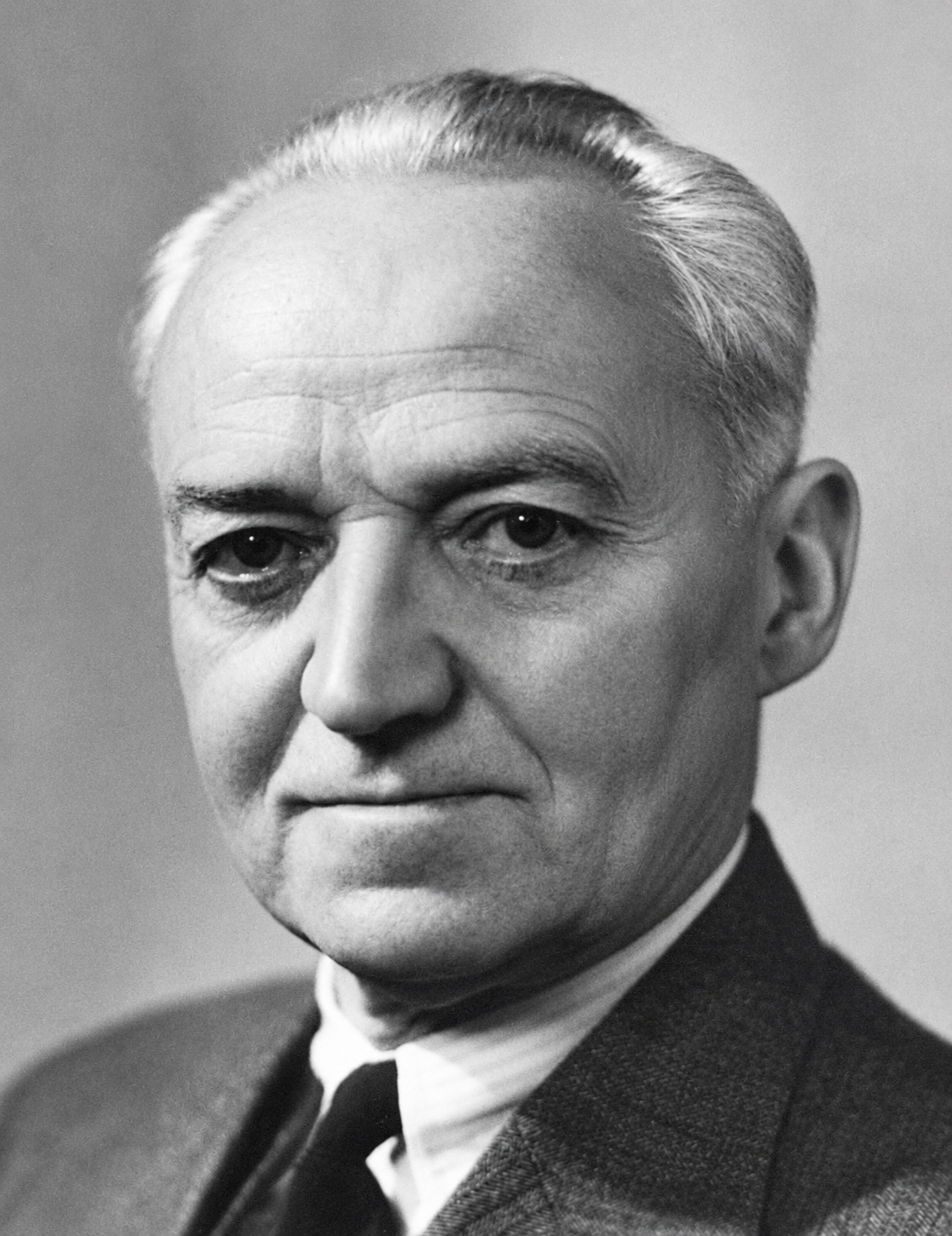
“Das wissenschaftliche Denken ist in aller Regel dazu verleitet, die sprachüblichen Vorstellungen und Begriffe zu übernehmen und mit unbedeutenden Modifikationen als grundsätzlich gültig und brauchbar anzuerkennen, ohne zu beachten, dass damit die ganze Oberflächlichkeit, Vieldeutigkeit und Unbestimmtheit, die ihnen naturgemäss anhaftet, in die Wissenschaft mit einzieht und ihren sicheren, selbständigen und unbeirrten Fortgang hemmt.” […]

“Conservative liberalism” is a hybrid political tendency that seeks to construct a balanced synthesis between liberty and tradition, market and state, individualism and social convention. Although liberals and conservatives have often formed tactical alliances in the domain of public policy, at the level of theoretical foundations, they are generally understood as two divergent intellectual […]
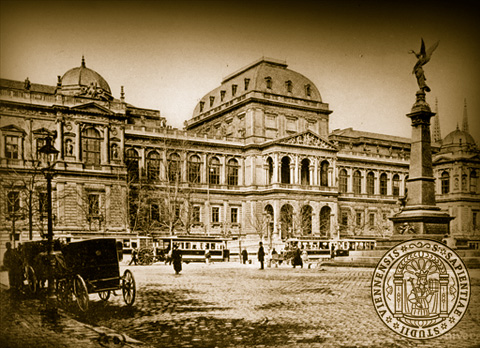
Hayek, the knowledge problem, and the question no central planner can answer Cambridge. Early 1930s. A Keynesian economist leans across the table and asks Friedrich Hayek a question he clearly considers decisive. “Is it your view that if I went out tomorrow and bought a new overcoat, that would increase unemployment?” Hayek pauses. The question […]
Our Partners