
Austrian economics
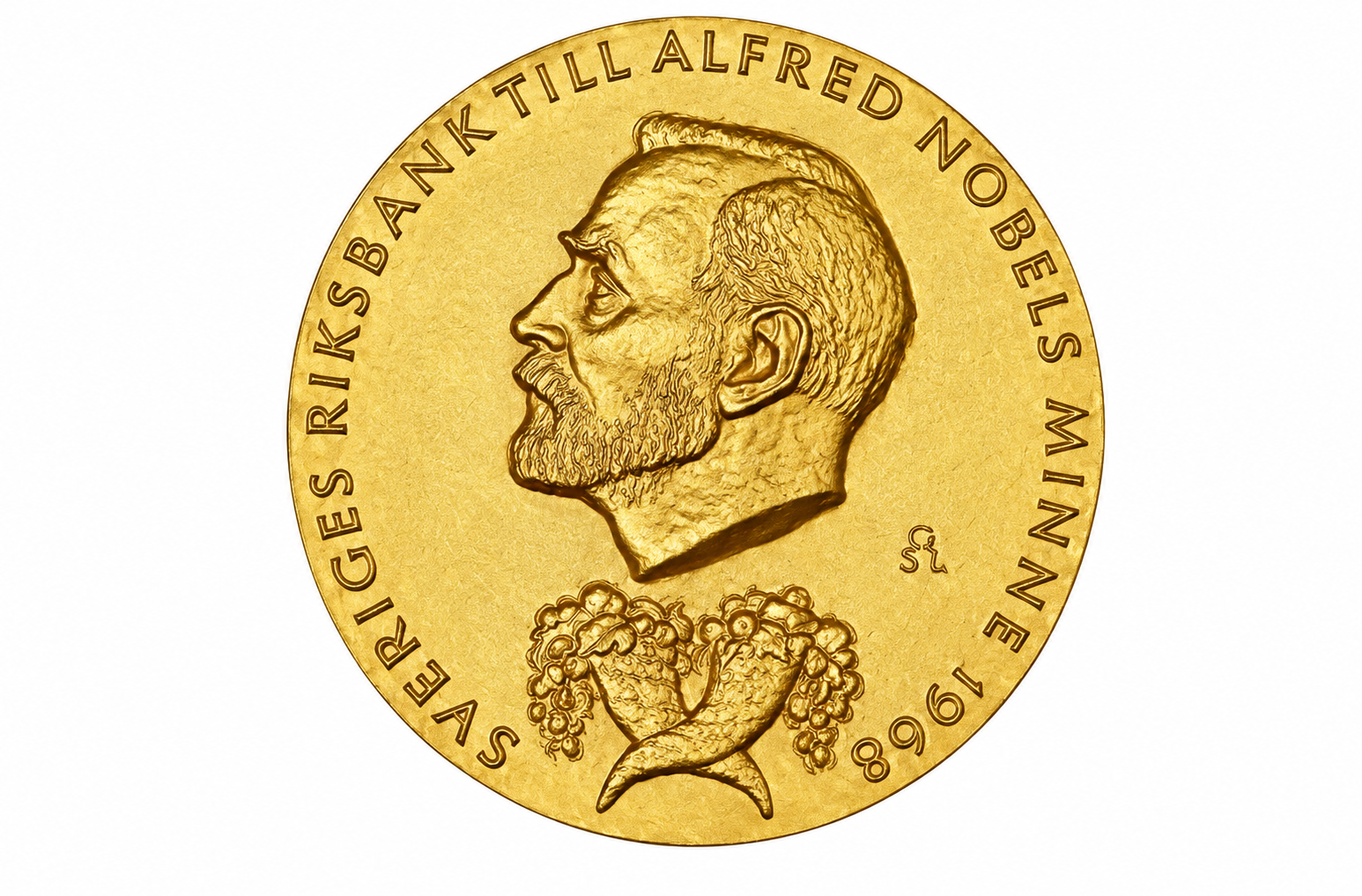
“This year’s laureates in the economic sciences, Robert E. Hall and Michael Woodford, have developed new macroeconomic models that have significantly improved our ability to implement effective stabilization policy. On the basis of these models, well-timed fiscal and monetary policy measures can reduce the economy’s peaks and troughs”. Announcement of Sveriges Riksbank Prize in […]
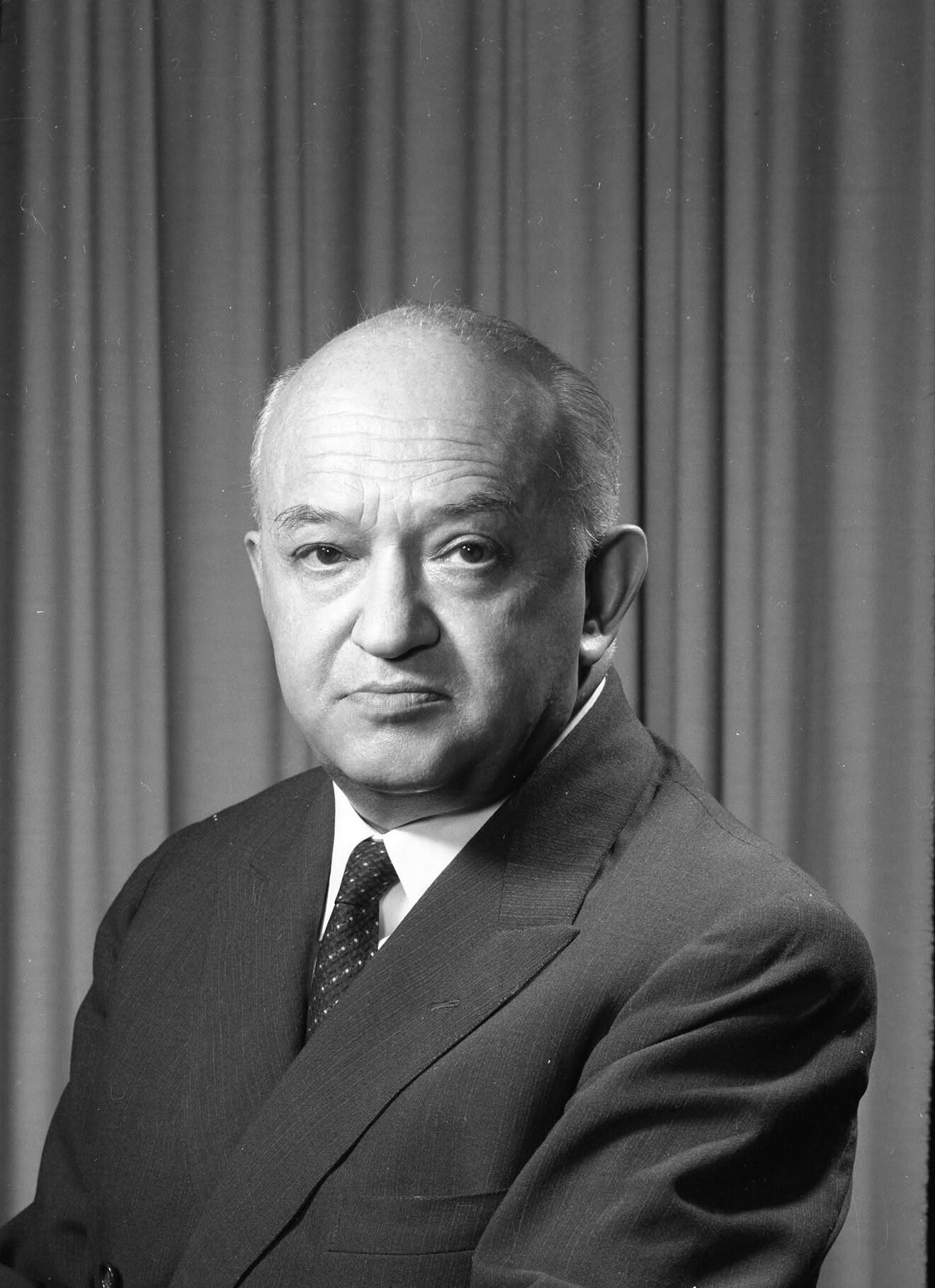
“In the building practices of ancient Rome, when scaffolding was removed from a completed Roman arch, the Roman engineer stood beneath. If the arch came crashing down, he was the first to know. Thus his concern for the quality of the arch was intensely personal, and it is not surprising that so many Roman […]

…And when is it just a family feud? Robert Hall coined “freshwater” and “saltwater” in 1976 to describe a split in macroeconomics: the freshwater camp—Chicago, Minnesota, the University of Rochester—building models where markets clear quickly and government intervention mostly just gets in the way; the saltwater camp—MIT, Harvard, Berkeley—building models with sticky prices and […]

Seventeen thousand years ago, deep inside a cave in what is now the Dordogne, someone lifts a shallow stone lamp filled with melted animal fat and touches a flame to the wick. Light spills across the rock. The painter starts to work, and the bulls and horses of Lascaux begin to appear on the […]
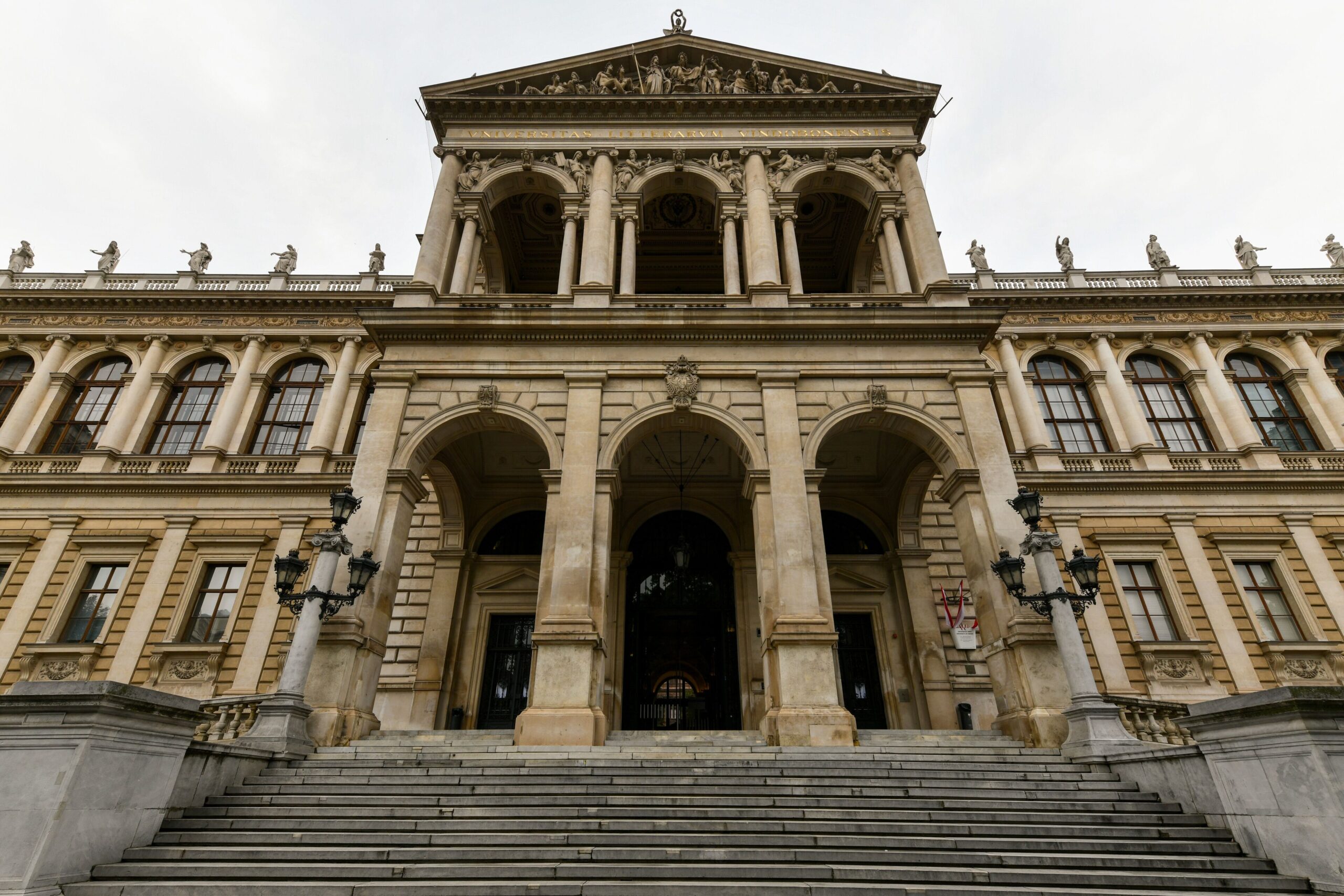
“Der Zustand des Wettbewerbes ist dadurch gekennzeichnet, dass der einzelneKäufer oder Verkäufer den Marktpreis nicht merklich beeinflussen kann, sondernmitdem PreisalsmiteinergegebenenGrösserechnen muss. Wolltesich der einzelneVerkaufswerbervomMarktefernhalten, um einePreissteigerungherbeizuführen, so würde er sich hierdurch vom Tausch ausschliessen.” Franz Xaver Weiss Franz Xaver Weiss’ list of publications is distinctly shorter and his international repute much less when […]
Our Partners