inflation
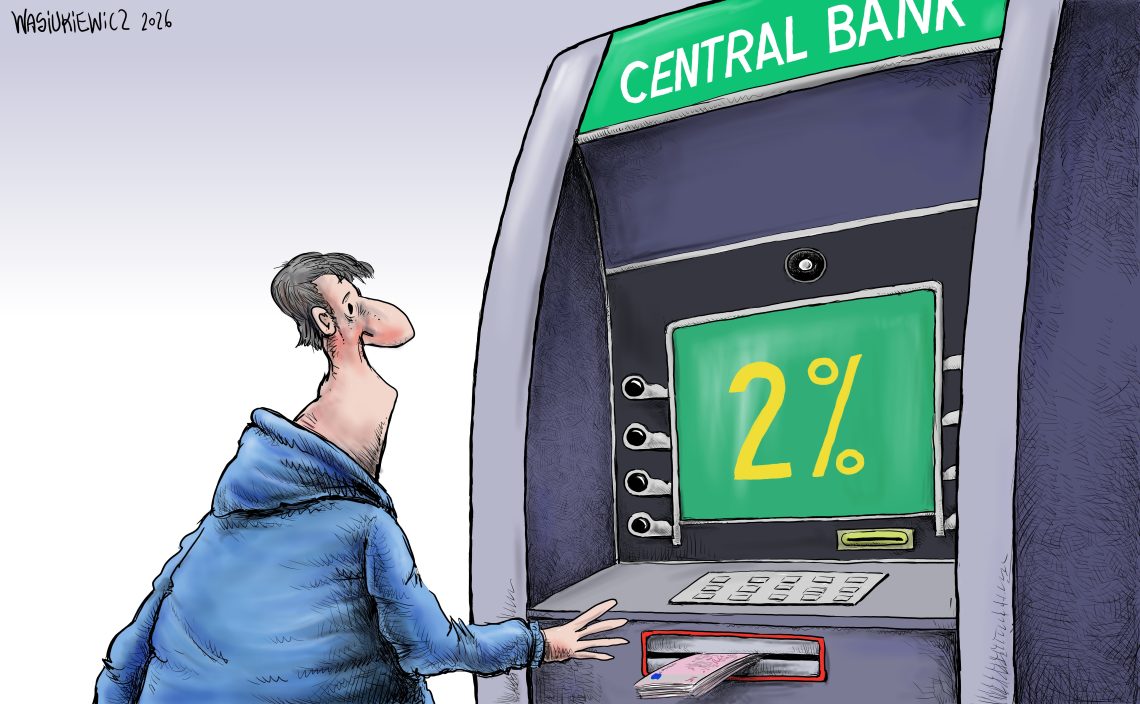
Inflation does not befall us like a curse, nor does it descend on us as tragic fate. It is always the result of reckless, and sometimes criminal, policy. These words were spoken by Ludwig Erhard, the visionary German minister of economics who laid the foundations for West Germany’s Wirtschaftswunder (“economic miracle”) in the 1950s and 1960s. Today, […]

Milton Friedman is often quoted as having said something to the effect that inflation is taxation without legislation on multiple occasions during his career (cf. for example Friedman and Friedman 1980, Ch. 9). In other words, he pointed out that inflation is a tax without democratic legitimacy. Citizens do not vote on it. Other economists […]
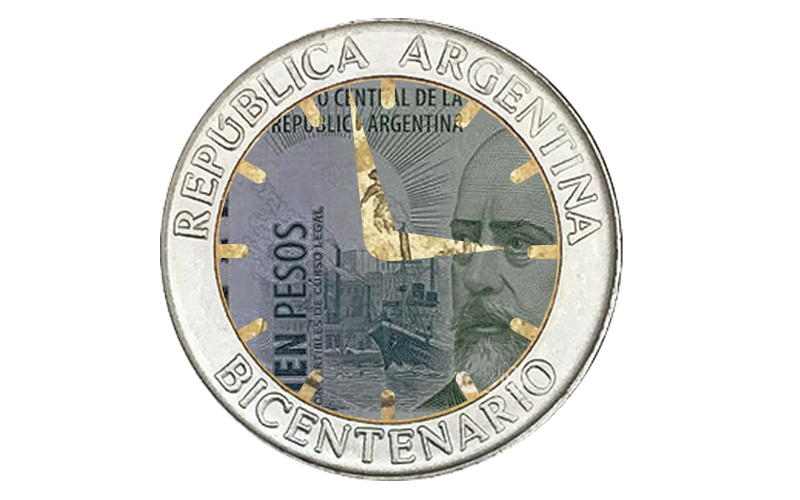
The puzzle that keeps repeating Argentina has tried to stabilize its economy before. It has done so under military governments and democratic ones, under heterodox programs and orthodox ones, under economists who believed in markets and politicians who did not. Each episode produced a period of relative calm. Each period eventually ended the same way. […]
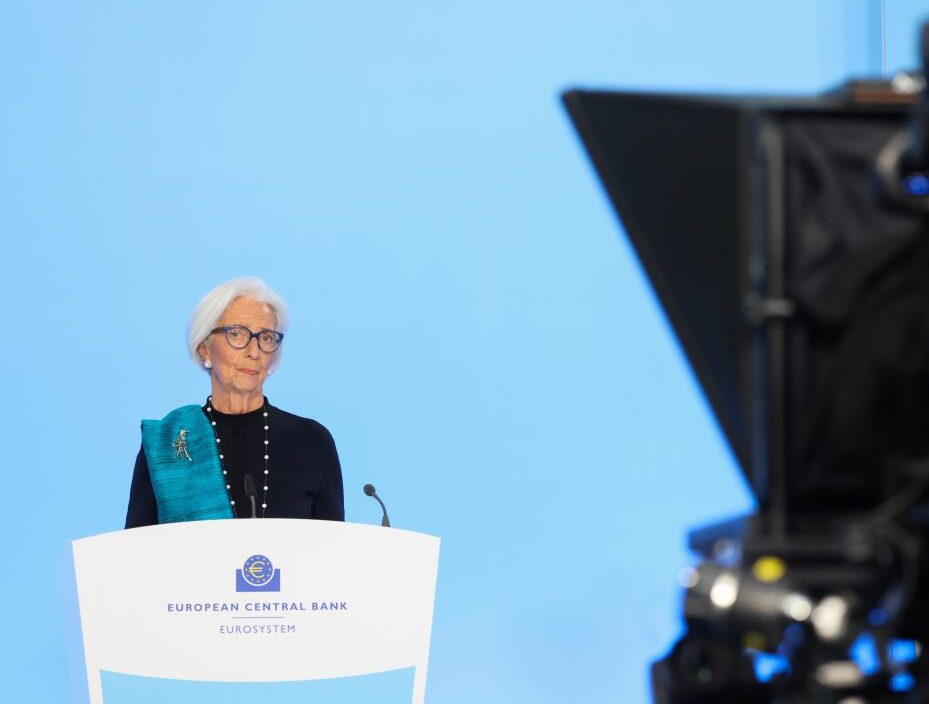
For much of the postwar era, macroeconomic policy rested on an intuition famously formalized by the Phillips curve: Economic slack, typically associated with high unemployment, and inflation tend to move in opposite directions. Weak growth cools prices; overheating pushes them up. Monetary policy can therefore stabilize one variable by leaning against the other. Stagflation […]
Over the past several years, much has been said and written about the state of the financial markets and the ongoing bull run, particularly in United States equities, which seems even more striking when compared to data from the real economy. The decoupling between stock markets and the broader economy, which has been underway […]
Our Partners