Austrian economics

H.S.H. Prince Michael von und zu Liechtenstein (LI) is a resident of the Principality of Liechtenstein. He studied economics and business administration at the Wirtschaftsuniversität Wien and graduated with a Master Degree in Business Administration (Magister der Sozial- und Wirtschaftswissenschaft). His studies included also various practical training periods and work with banks and manufacturing […]
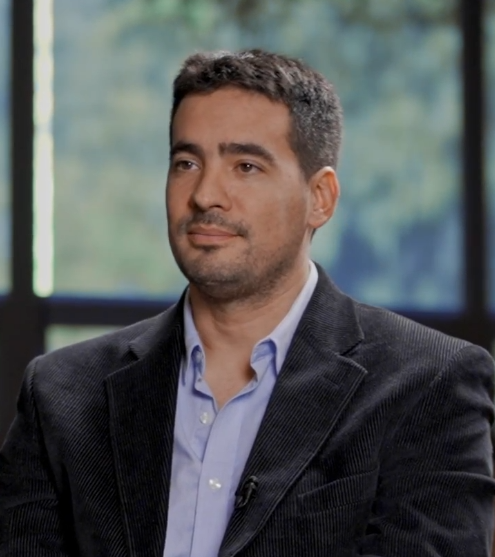
Adrián Ravier is an Argentinian economist, professor, researcher, and author specializing in monetary theory, business cycles, and the Austrian School of Economics. He holds a PhD in Applied Economics from Universidad Rey Juan Carlos in Madrid and has taught at universities across Latin America and Europe, including UCEMA, ESEADE, and Universidad Francisco Marroquín. His work […]
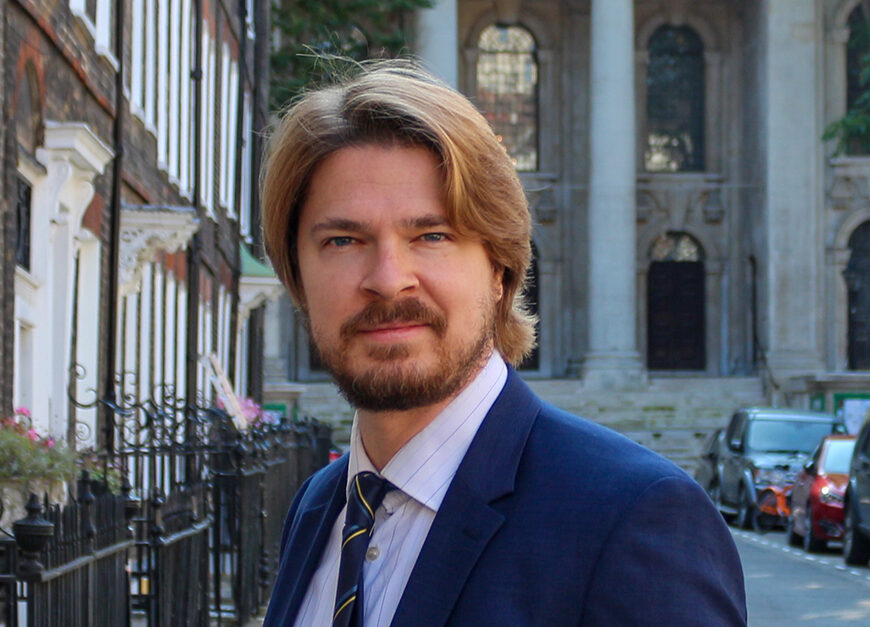
Kristian Niemietz a native of Germany, studied Economics at the Humboldt University in Berlin and the University of Salamanca (Spain), graduating in 2007 as Diplom-Volkswirt (MSc in Economics) and completed his PhD in Political Economy at King’s College London in 2013. During his studies, he interned at the Central Bank of Bolivia (2004), the […]
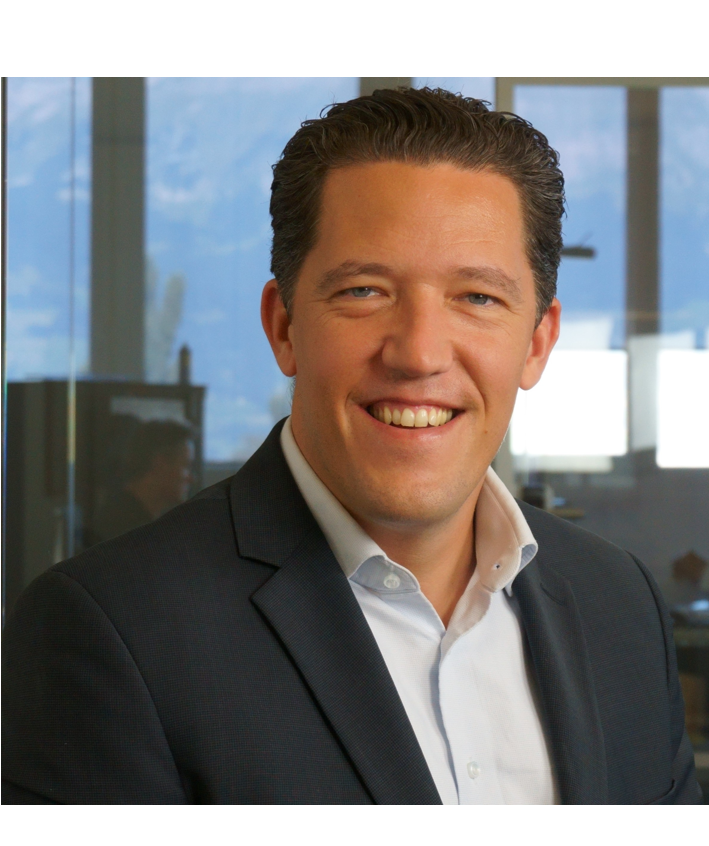
Mark Justin Valek, a native of Austria, studied Business Administration with a focus on banking and finance at the Vienna University of Economics. He is a Chartered Alternative Investment Analyst (CAIA) charter holder and a licensed options and futures trader at the Vienna Stock Exchange. Valek started his professional career in asset management at […]
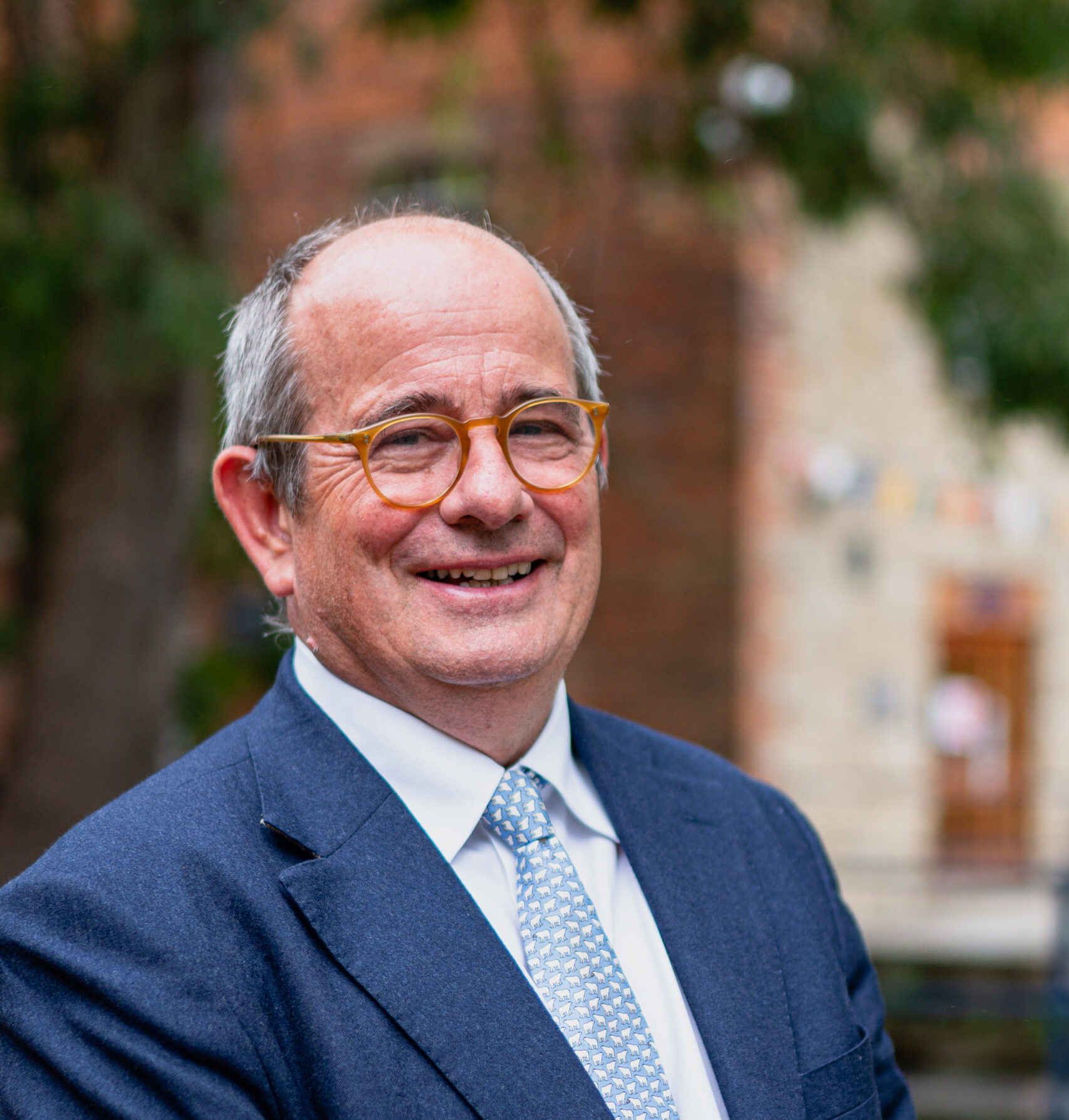
James Tooley, a native of UK holds a PhD from the University of London, an MSc from the University of Sussex, and first-class BSc honors in Logic and Mathematics, also from the University of Sussex. Until January 2026, Tooley served as Vice-Chancellor at the University of Buckingham the UK’s premier private university. His previous […]
Our Partners