France in flames, Germany in decline, Europe in denial
What began as a pupils’ protest against poor and deteriorating conditions in schools escalated into widespread riots led by a radical socialist mob. There were battles with police, the Limoges town hall was burned, the Marseille city hall was stormed, shops were looted and cars were set on fire. Police officers were injured and thousands of people were arrested. Beyond expressing shock, the government appears helpless.
Underlying the widespread frustration and bitterness are sharply rising living costs, migration and failed integration. Excessive public spending and the populist misallocation of funds have created a heavy debt burden. Refinancing is expensive as confidence in the capital markets wanes. Past mismanagement now limits the government’s ability to respond and the funds available to do so. All President Macron can offer is a speech full of pathos.
Riots are spilling over into Belgium and Italy. Such unrest is not unusual in France, nor is it necessarily new.
Europe’s traditional parties claim that only they know what is right. They close their eyes as prosperity and security decline.
Prince Michael of Liechtenstein
Moreover, excessive government spending across Europe is creating staggering levels of debt and fueling inflation. Under these conditions, even the European Central Bank’s interest rate increases do little to curb inflation. The debt problem is now most acute in France, but it is a European disease.
France is Europe’s second-largest economy. It faces elections early next year, with nationalist tendencies on one side and extremism on the other.
Europe’s leaders lose touch with reality
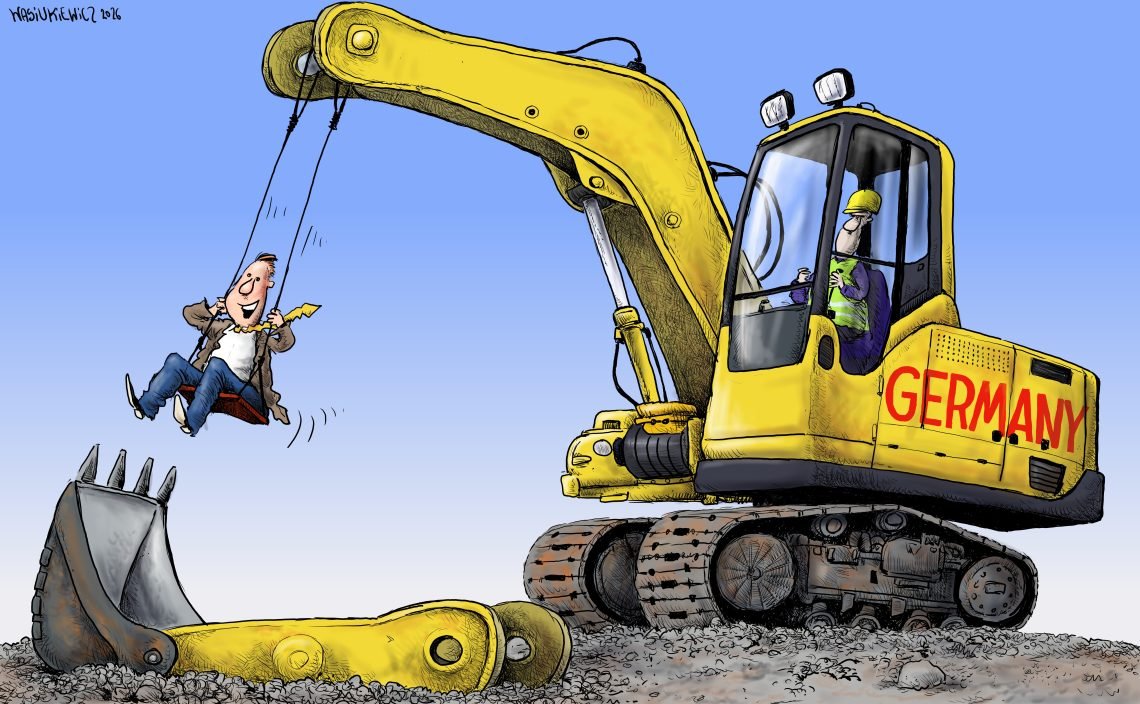
Germany’s finance minister, Lars Klingbeil, traveled to Bangkok to meet his G20 counterparts ahead of the annual International Monetary Fund summit. He appeared in good spirits and announced good news, at least in theory: The German economy is growing. The problem is that, in practice, this growth is largely driven by increased government spending financed by debt. Disappointingly, additional investment in defense is not the main contributor. Although Chancellor Merz won the last election on a promise to keep debt and spending under control, that pledge has been broken and the public deficit has ballooned. People feel their purchasing power declining and are worried about immigration and security.
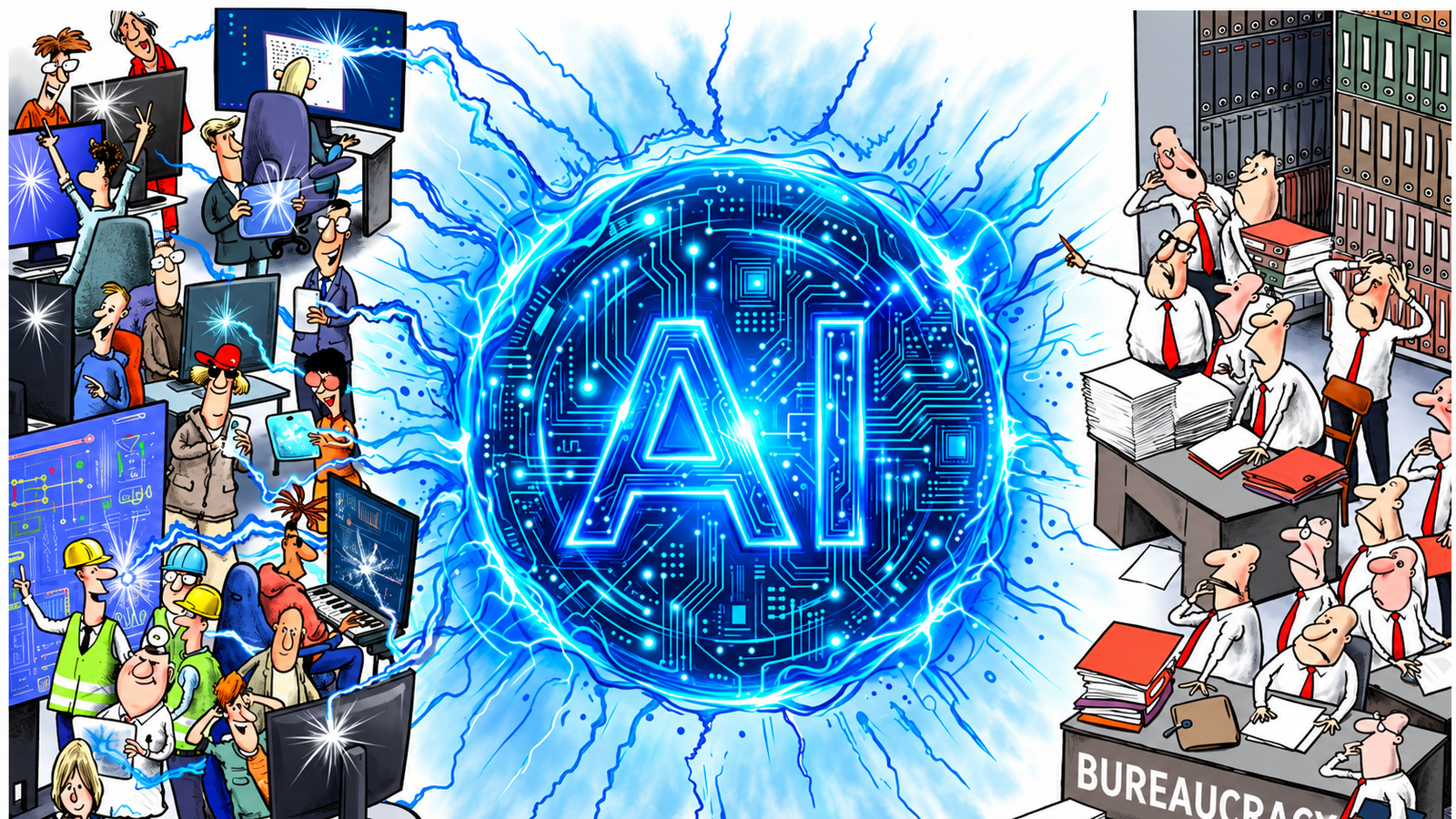
Karsten Wildberger, the minister for digital transformation and government modernization, has expressed concern about the use of artificial intelligence and the resulting unemployment. Those job losses could also reduce government tax revenue. He therefore proposes taxing AI itself, somewhat echoing Bill Gates’ idea a few years ago of taxing robots. The revenue would be used to ease hardship. It is hard to believe that a minister from the party of Ludwig Erhard, the architect of Germany’s economic miracle, would propose ideas so detrimental to the economy. Either he does not understand what makes a country prosperous, or this is a cowardly concession to his socialist coalition partner.
Germany is Europe’s largest economy. Here, too, the federal government has suffered a drastic loss of public confidence. The traditional parties are becoming increasingly marginal.
Similar situations can be seen in countries such as Austria, Belgium and the Netherlands.
Today’s European political class reminds me of the French monarchy before the revolution. Its members have completely lost touch with the public and remain stuck in old ways of thinking. “Liberal democracy” is no longer liberal or democratic; it has become an idol. Politicians speak of defending democracy, but what they are actually defending is their own idea of democracy against the people. Europe’s traditional parties claim that only they know what is right. They close their eyes as prosperity and security decline. They also forget that the role of the state, and therefore of politics, is to safeguard the security and prosperity of the people. They have failed on both counts.
There are, however, some grounds for optimism. Central European countries are gaining influence. If they decide to work closely together, they can strengthen their position in Brussels. Another hope is that people will exert greater pressure to hold politicians accountable through the ballot box, reinforced by a degree of civil disobedience. Unlike the actions of the mob in France, civil disobedience has the advantage of being effective without being radical. It does, however, require courage. Democracy can function only when people are courageous and willing to defend their freedom against the state. Otherwise, it becomes another form of authoritarianism.
Our Partners