Germany
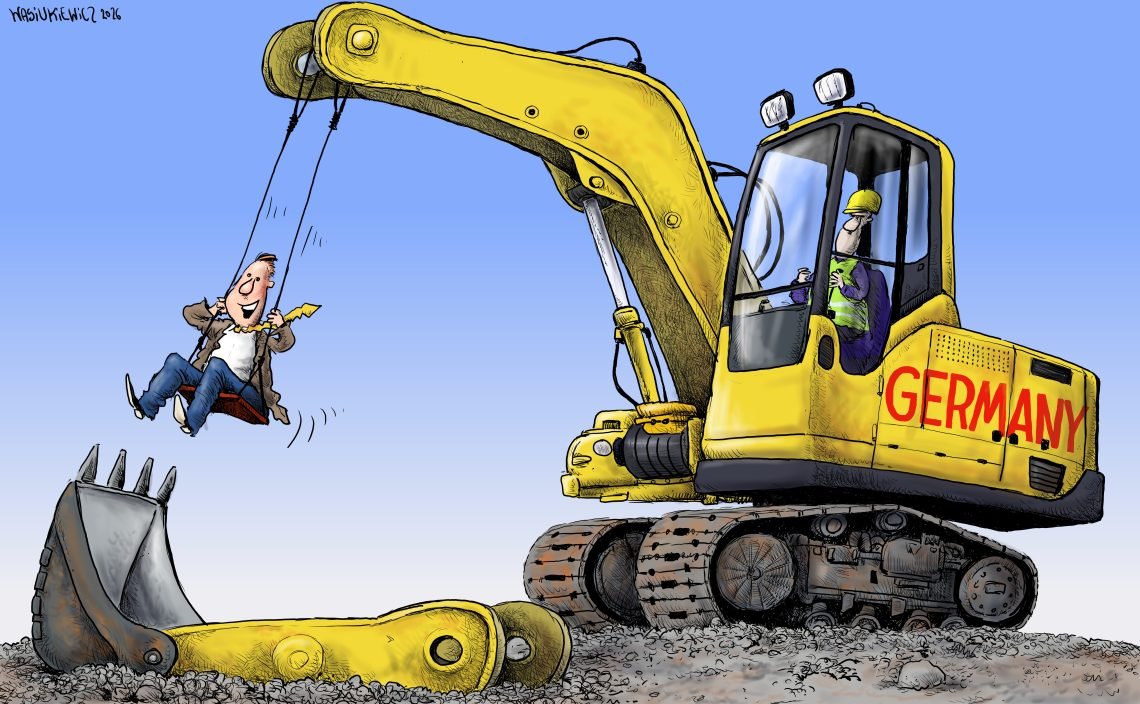
The German philosopher Arthur Schopenhauer once said: “The highest form of recognition in Germany is envy.” I have always tended to disagree with this. Over the past 80 years, Germany has been an extraordinarily successful country, rebuilding itself from the ashes of World War II and developing one of the world’s most efficient economies. […]
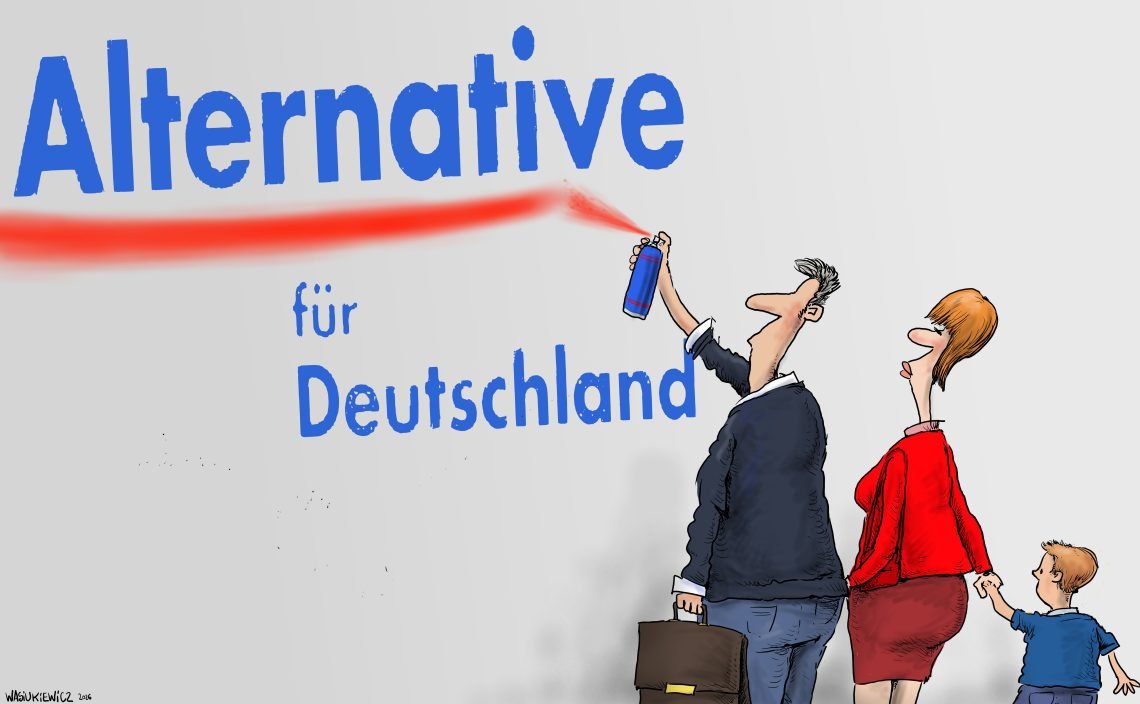
The Alternative fur Deutschland (AfD) won some 44 percent of the vote in the election for the regional parliament of Saxony-Anhalt. The AfD is labeled “populist” and “right-wing” by most media and is marginalized by all other political parties in Germany. The German domestic intelligence service, which depends directly on the chancellor, has declared […]

For decades, Germany was the economic engine of Europe. Its prosperity rested on a highly competitive industrial sector, a strong export orientation and a reputation for engineering excellence. Even as other advanced economies shifted toward services, Germany maintained a large manufacturing base that became central to its economic model. Today, however, the German economy […]
Heterogeneous effects across bank types written by Karl-Friedrich Israel, Moritz Pfeifer, Tim Sepp , and Benjamin Treitz. May 25, 2026 Monetary policy changes the stability of German banks differently based on their ownership and business goals. Existing literature shows that monetary policies stabilize markets but can also encourage institutions to take higher risks. Using monthly balance sheet data […]
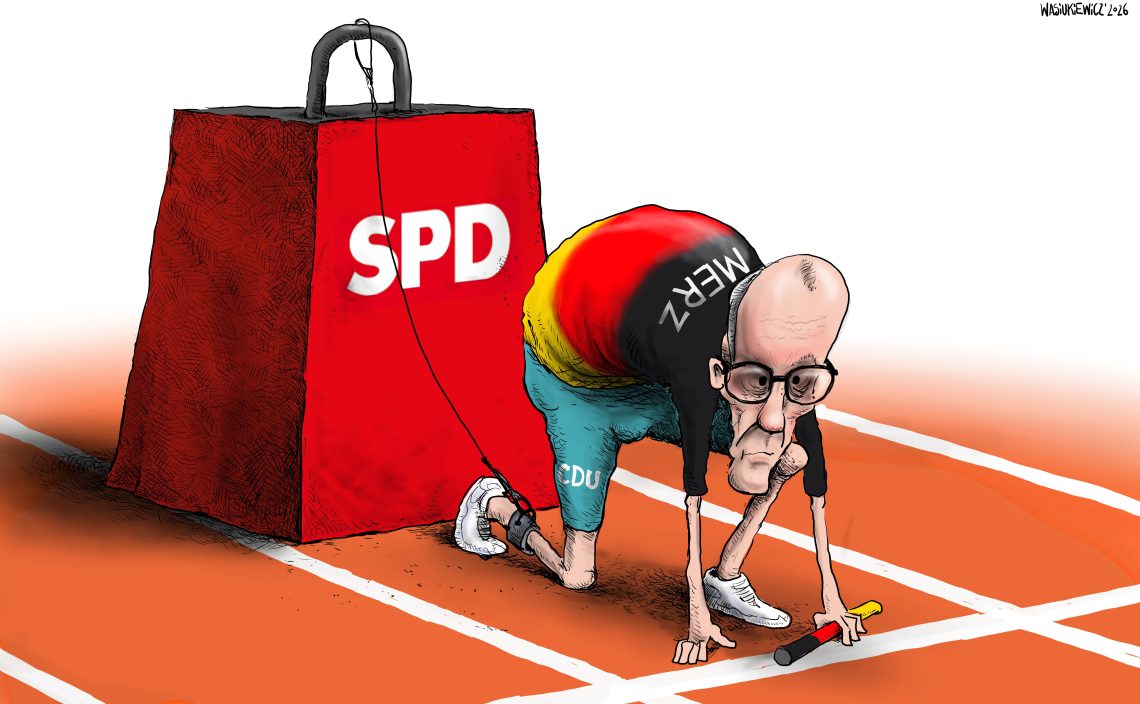
Germany’s third-largest state, Baden-Wurttemberg, held its election on March 8, 2026. Baden-Wurttemberg is the only German state where the Greens have been the leading party for the past 15 years, under their popular prime minister, Winfried Kretschmann. Although Mr. Kretschmann – who did not seek reelection – was known for disciplined pragmatism rather than […]
Our Partners