
The Iran conundrum
Last weekend, we heard much contradictory messaging from Washington and Tehran regarding a possible settlement, at least a temporary one, to the conflict. However, no agreement materialized. The United States wants to end the war with Iran, but not at any price. A rapid and decisive regime change appears difficult to achieve. At a minimum, Washington seeks to ensure a permanent end to Iran’s nuclear ambitions, rather than merely a delay as envisaged under the 2015 nuclear agreement, and a complete cessation of Tehran’s funding and support for terrorist and subversive activities.
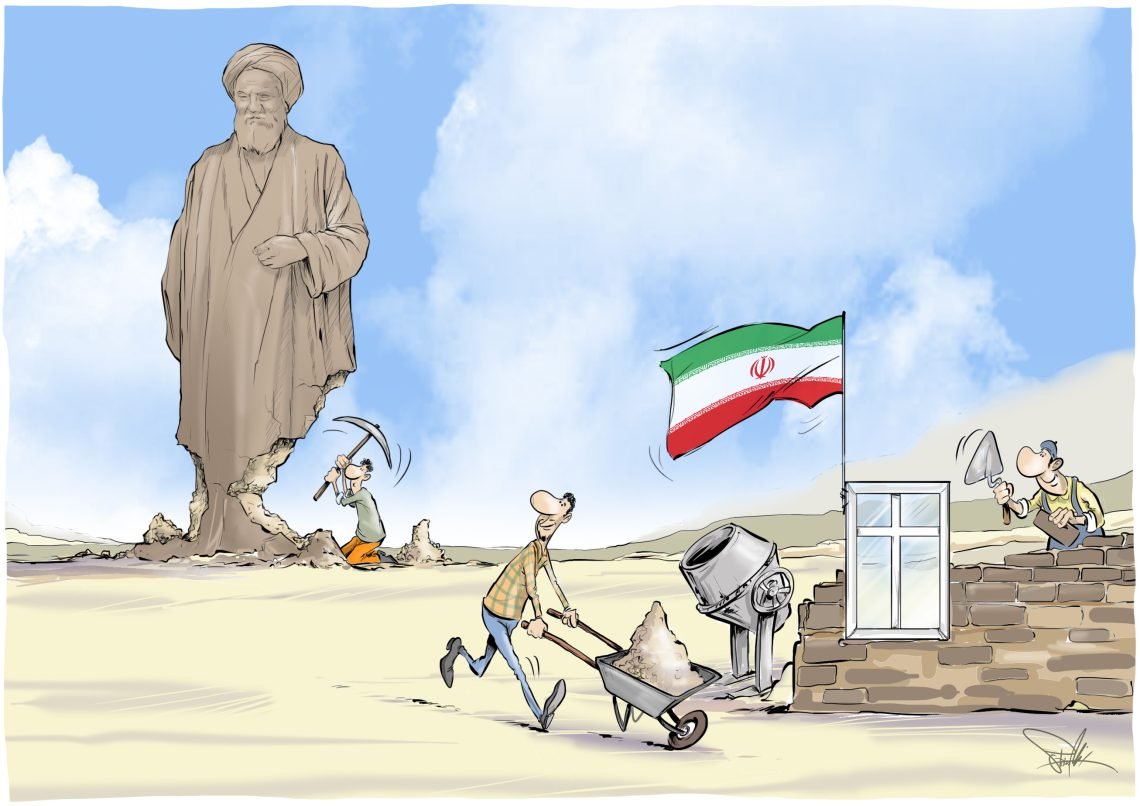
In a remarkable operation, Israel and the U.S. eliminated a significant portion of Iran’s leadership, including Supreme Leader Ayatollah Ali Khamenei. The Iranian leadership sponsors terrorist groups worldwide and has made substantial progress toward becoming a nuclear power. In January, it brutally killed some 30,000 of its own citizens. Peace and long-term prosperity in the Middle East will remain elusive as long as this regime remains in power.
Europe’s strategic failure
The American and Israeli strikes were fully legitimate. However, significant obstacles remain. Some stem from the attitudes of American allies, but the principal challenges lie within Iran itself.
It was deeply disappointing that European countries failed to demonstrate solidarity with Washington. Tehran interpreted this in two ways. First, it saw it as evidence of European weakness and indecisiveness that could be exploited to the regime’s advantage. Europeans, in their mediocrity, fail to grasp that Iranian leaders have no interest in the security or prosperity of their own population. It is estimated that some 80 percent of Iranians despise the regime whose overriding objective is to remain in power, driven by a combination of religious fanaticism and the interests of some 200,000 highly privileged and ruthless members of the Revolutionary Guards.
Both the fanatical religious leadership and the ruthless Revolutionary Guards share a single overriding objective: to remain in power and maintain total control.
Iran’s reaction also differed from what many in Jerusalem and Washington had expected. The ruthless repression carried out in January had weakened the opposition, and no uprising occurred, even though many Iranians reportedly welcomed the news that key members of the leadership had been eliminated.
The Iranian authorities were not entirely unprepared for the loss of parts of their leadership. They also understood that they could not effectively retaliate against the U.S. and could only do so in a limited manner against Israel. However, they were fully aware of the importance of the Gulf Arab states to the global economy, international shipping and aviation, fertilizer production and energy markets. Moreover, these more liberal Arab states have long been viewed with hostility by Tehran. The regime therefore directed its strikes against Arab countries and moved to close the Strait of Hormuz. This response was unexpected and reflected desperation, but it was tactically effective.
Both the fanatical religious leadership and the ruthless Revolutionary Guards share a single overriding objective: to remain in power and maintain total control. They care about little else. The welfare of the population is of no concern to them.
To preserve their authority, they must continue both their nuclear program and their subversive activities abroad, while maintaining harsh repression at home. Relinquishing control over the Strait of Hormuz could also be perceived domestically as a loss of credibility and strength.
In light of this, a settlement cannot be ruled out, but it would almost certainly be exploited by Tehran to its own advantage. Without regime change in Iran, lasting peace in the Middle East will remain unattainable. The central question is whether Washington is willing and able to sustain military pressure on the Ayatollahs and the Revolutionary Guards.

Our Partners