
Losing peace in the Middle East
A memorandum of understanding was signed between the United States and the regime in Iran on June 18. The 14-point ceasefire foresees the reopening of the Strait of Hormuz, the ending of the blockade of maritime transport to and from Iranian ports, the halting of the nuclear program and the release of some sanctioned funds. It would start a 60-day ceasefire for negotiations on a peace agreement and the end of Tehran’s nuclear ambitions.
A grey area is the situation in Lebanon, where Israel is fighting Hezbollah, the terrorist organization and proxy of Tehran that regularly attacks Israel and continuously prevents peace and proper governance in Lebanon.
Negotiations began on June 21 in Switzerland.
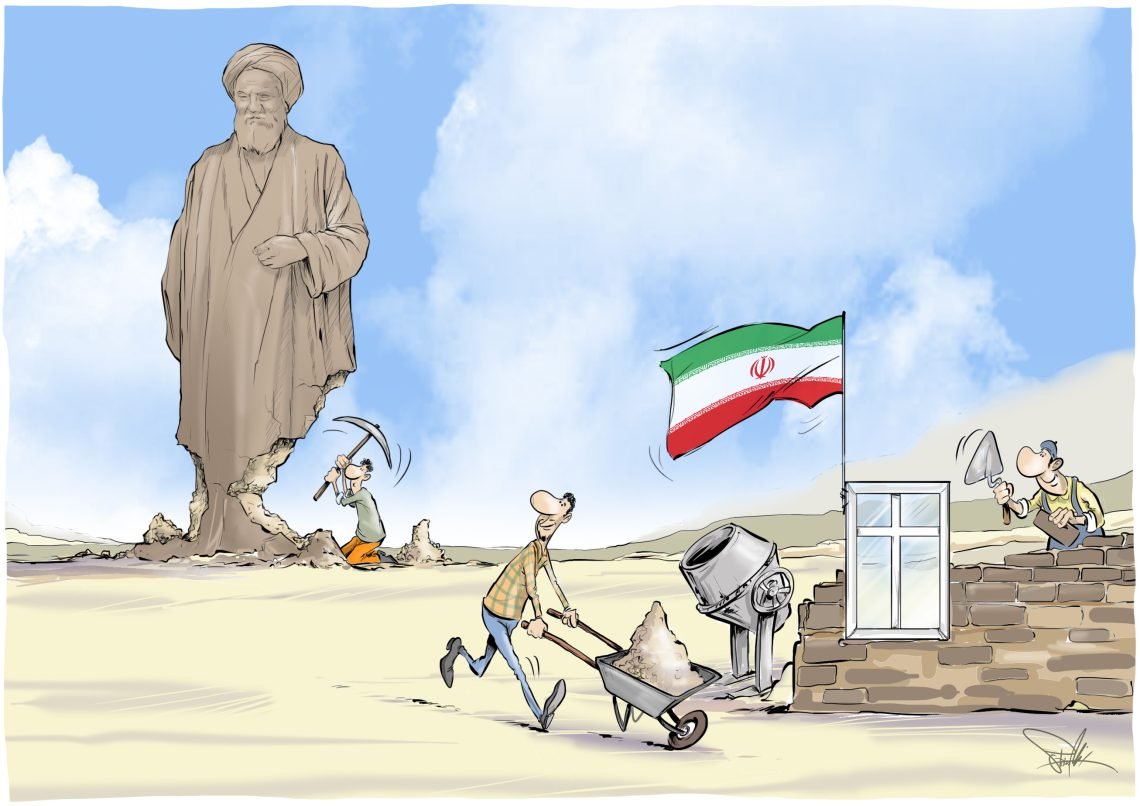
The official propaganda in Iran celebrates this as a victory. Although not a true victory, it is a desperately needed blessing for the regime. The economy had collapsed and the necessary supply of nearly everything for the population was no longer assured. The regime was in existential trouble.
With this regime in place, peace in the Middle East remains out of reach.
In January of this year massive uprisings challenged the regime. The Republican Guards, in accordance with the Islamist leadership, brutally oppressed the demonstrations, murdering more than 30,000 Iranians. The U.S. promised to help the opposition, and in a brilliant coup on February 28 – Operation Epic Fury − they killed the supreme leader, Ayatollah Ali Khamenei, and several other leading persons, before attacking strategic targets. The objective was to pressure the regime to allow a transfer of power; not regime change from the outside, but making way for the Iranian opposition to take over.
This was necessary as Tehran not only wanted to eliminate Israel, but also threatened Arab nations and sponsored civil wars in multiple countries. It is the biggest supporter of terrorism worldwide, brutally oppresses its own population and commits atrocities daily. With this regime in place, peace in the Middle East remains out of reach. Its nuclear ambitions are a critical threat to the entire Middle East and Europe.
After the U.S. and Israeli attacks, the regime − in a desperate move − hit critical targets in the Arab Gulf states and blocked the Strait of Hormuz, disrupting global energy supplies. This had economic and logistical repercussions. The White House and the Israeli government were not only questioned internationally, but also at home. Although the situation was critical for the regime in Iran, wide support for the operation was lost domestically in the U.S. and in Prime Minister Benjamin Netanyahu’s policies in Israel, with both countries facing elections in the near future.
The unraveling of solidarity
How did this operation, which started so successfully, become frustrated?
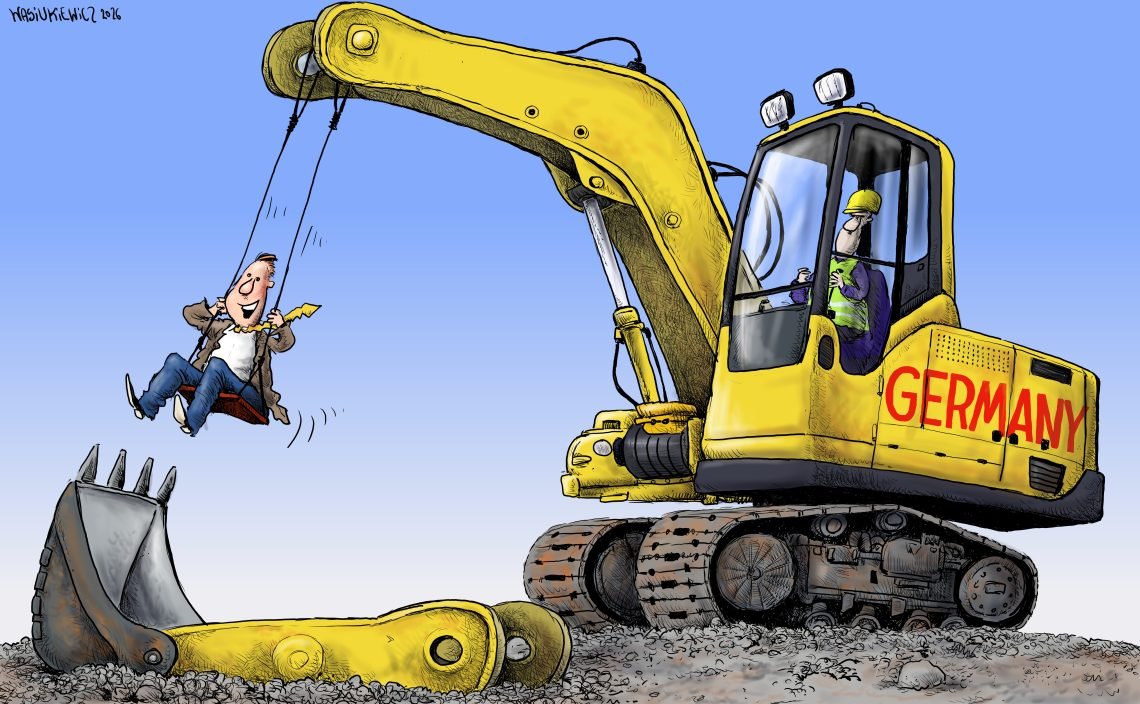
The first problem was the lack of solidarity among allies. European countries immediately, irrationally and unnecessarily admonished the U.S. to respect international law, an implicit suggestion that the U.S. and Israel might be violating it. They asked for de-escalation, which is the stupidest thing to do when dealing with rogues. Although damaging in its essence and encouraging to the Iranian leaders, while this European reaction was a blunder, it was not the worst to come. That was when a number of important European countries refused to allow the U.S. to use their airspace or airbases on their territory for the operation in the Middle East. This not only hampered the efforts, but critically damaged the transatlantic relationship that is so important for Europe. It was an early success for Tehran.
The second point is the economic fallout. Asian countries suffered oil and gas shortages. The increase in energy prices has fueled inflation globally. There is a threat of recession and stagflation. Fertilizer shortages jeopardize food security and affordability. Global transport systems have also been disturbed. Domestic politics is now forcing Washington to de-escalate, at least temporarily.
Although the regime in Iran is close to breaking, they now have, unfortunately, a chance for relief. However, it is difficult to foresee how the situation will evolve. President Donald Trump is criticized for being unpredictable. But this can have advantages.
It is very likely that this ceasefire might not be the end of the story.
Who has been failed?
Unfortunately, the immediate victim is Lebanon. It does not appear to be high on the agenda, except in Tehran. The Iranian regime sees the country as their bastion for Hezbollah to operate against Israel. In the negotiations, the dreadful situation in southern Lebanon − the fight between the Israel Defense Forces and Hezbollah, with the Lebanese government being helpless − appears to be a bargaining chip rather than a genuine concern. In fact, the total disarmament of Hezbollah and non-intervention of Iran in Lebanon should be one of the priorities.
If the Iranian situation is not resolved − meaning a total political change in Tehran − then the lethal danger for Israel will prevail, as will a constant challenge for the Arab neighbors. Negotiations have started. Yet they can be discontinued or ideally, but highly unlikely, result in a strong change in Iran. To start Operation Epic Fury was the right move, but a premature end would be a fatal blunder.
Our Partners