politics
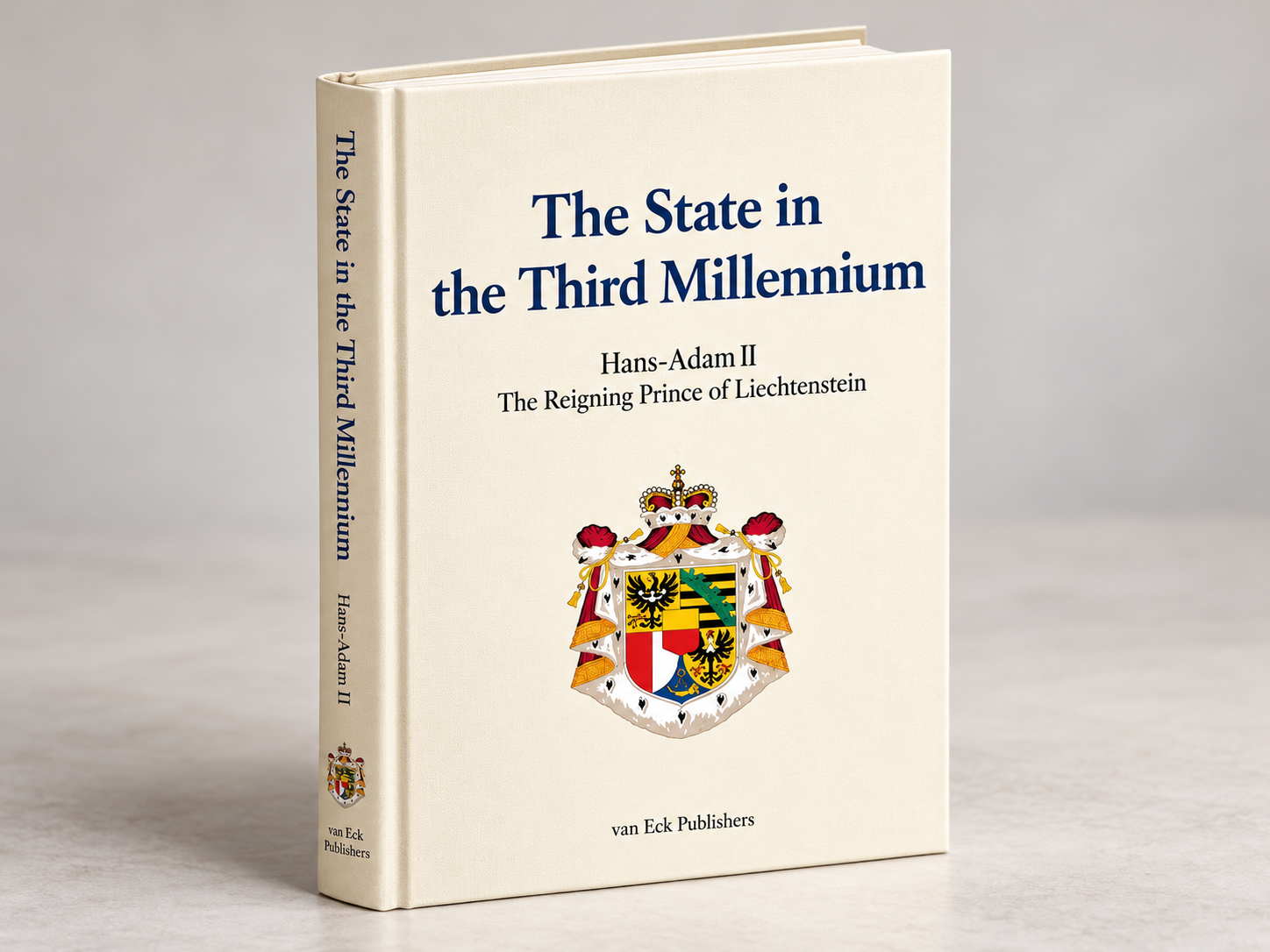
“I would like to set out in this book the reasons why the traditional state as a monopoly enterprise not only is an inefficient enterprise with a poor price-performance ratio, but even more importantly, becomes more of a danger for humanity the longer it lasts.” Hans-Adam II, Reigning Prince of Liechtenstein First published […]
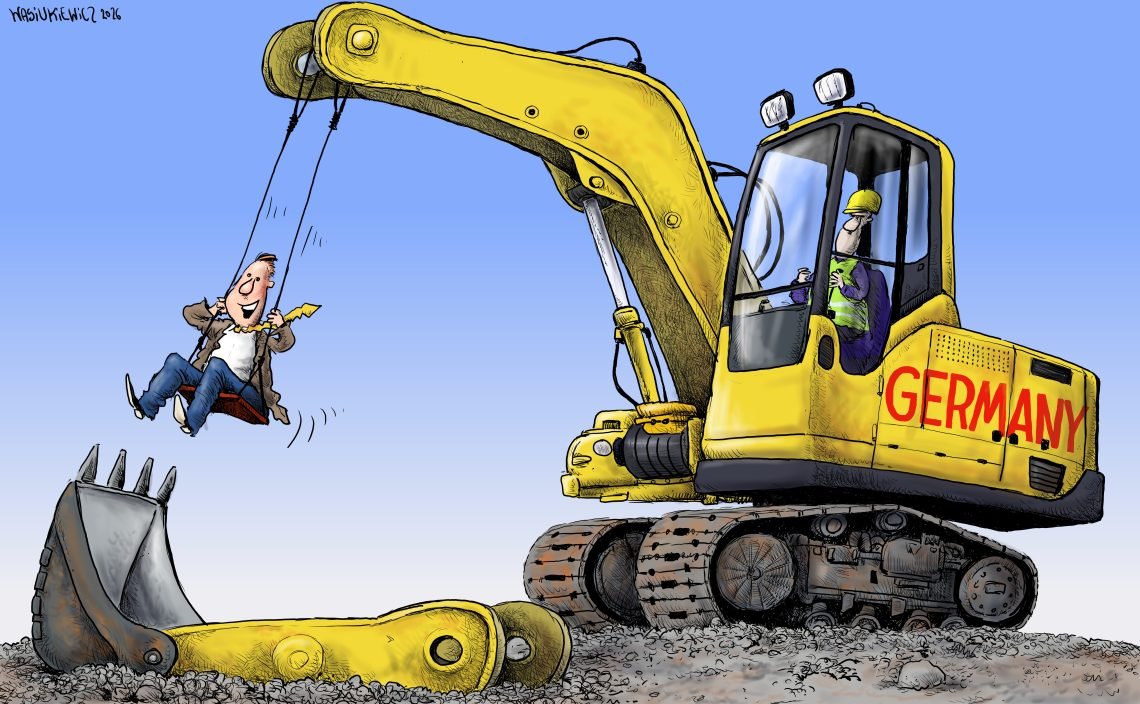
The German philosopher Arthur Schopenhauer once said: “The highest form of recognition in Germany is envy.” I have always tended to disagree with this. Over the past 80 years, Germany has been an extraordinarily successful country, rebuilding itself from the ashes of World War II and developing one of the world’s most efficient economies. […]
Reversing populist legacies requires more than winning an election — or changing the policies. It requires rebuilding the institutions that populism spent years dismantling. Elections end governments. They do not always end what those governments built. A previous post documented how populist rhetoric falls sharply when a populist government leaves office, while the economic and […]

Elections are supposed to change things. And in one sense, they do: when a populist government loses power, the rhetoric changes almost overnight. The speeches shift in tone, the enemy-of-the-people framing disappears, and international observers breathe a collective sigh of relief. But rhetoric is not policy. And policy, it turns out, is far stickier […]

Philosophy, Politics, and Economics (PPE) programs now run at more than 250 universities worldwide. Their purpose is to draw on the paradigms of the three disciplines to provide a comprehensive account of the world, human nature, and society—one that is essential for guiding public policy, governance, and engaged citizenship. In practice, modules from three […]
Our Partners