
Lasting peace is impossible with the Tehran regime
A few weeks ago, the United States and Iran signed a memorandum of understanding, but there was little reason to expect it would produce a lasting solution. The agreement satisfied neither side. As noted three weeks ago, launching Operation Epic Fury was the right decision, but ending it prematurely could prove a fatal blunder. This memorandum of understanding came about because both sides believed they needed a moment of respite: the Iranian regime – that is, the Islamic Revolutionary Guard Corps – is trying to contain an acute economic crisis, while Washington seeks to steady global markets and ease domestic pressure.
Hardly had the ink dried before the conflict resumed and intensified. The IRGC fired on vessels transiting the Strait of Hormuz, U.S. soldiers were killed in Jordan, and Iran attacked targets in the United Arab Emirates, Bahrain and Qatar. Meanwhile, the U.S. resumed its bombing of Iranian infrastructure.
Operation Epic Fury was the right decision, but ending it prematurely could prove a fatal blunder.
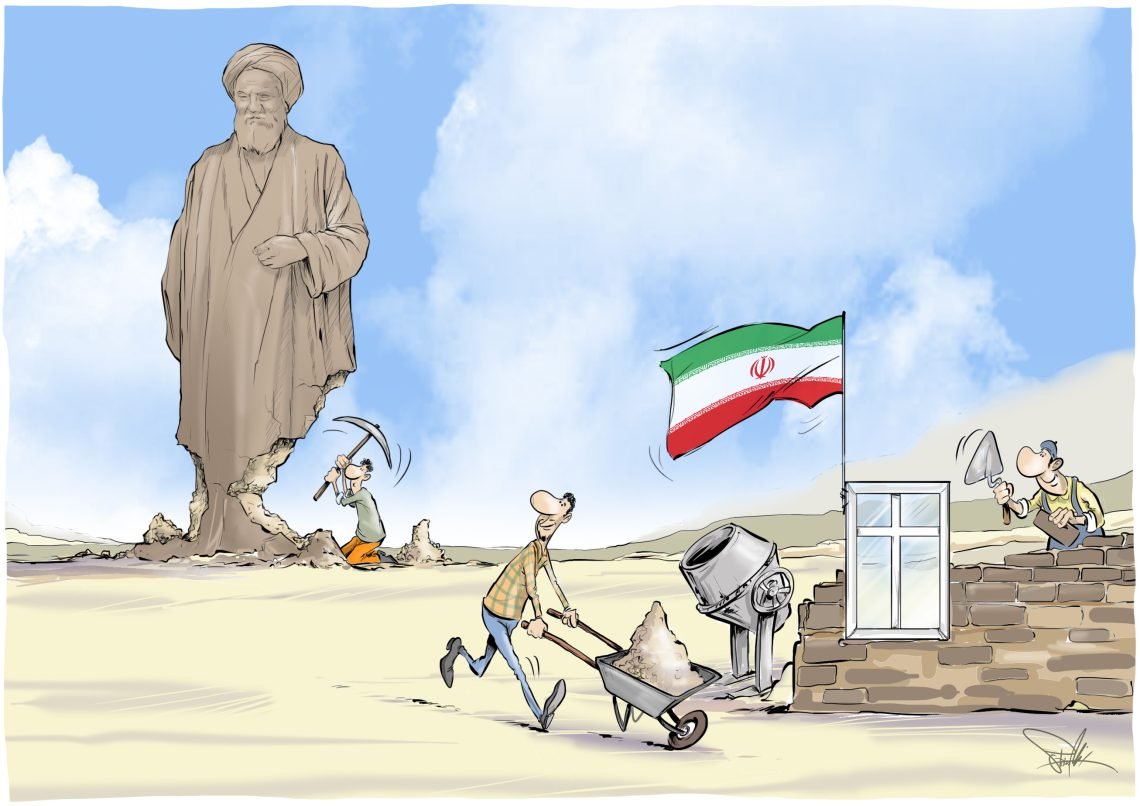
Sustained pressure on the Iranian regime may eventually help the opposition overthrow it. Although a large majority of Iranians despise the regime, the opposition remains insufficiently organized, largely because of brutal domestic repression. But success is not guaranteed, and a long-term strategy is necessary.
A regional front is forming against Tehran
Iraq, Kuwait, Bahrain, Qatar and the UAE are investing in pipelines and transport infrastructure that would allow them to bypass the Strait of Hormuz, a particularly vulnerable chokepoint because of its proximity to Iran. With Ankara’s support, the U.S. is also seeking to bring together Israel and its longstanding partners, including Saudi Arabia and the UAE, as well as countries that have either suffered Iranian destabilization or depended on Tehran’s backing, as Syria once did.
Recently, the prime minister of Iraq and the presidents of Syria and Lebanon visited Washington and met with President Donald Trump. Their agendas differ, but all three regard Iran as a serious problem. In Iraq, Iranian influence has severely undermined development and prospects for peace. Lebanon has suffered even more because of Hezbollah’s entrenched position as an Iranian proxy. The Lebanese government and armed forces must be capable of disarming Hezbollah, which would in turn create the conditions for Israeli forces to withdraw from southern Lebanon. This emerging U.S.-Turkish approach, pursued with their regional partners, is strategically sound and could help contain Iran while offering Israel greater security.
Other problems remain. The Houthis in Yemen, an Iranian proxy, can threaten another vital chokepoint for international shipping: Bab al-Mandeb, which controls access to the Red Sea and the Suez Canal. The group also cooperates closely with Al-Shabaab, the Somali terrorist organization. Iran may seek to mobilize both groups and will probably succeed in doing so. Somaliland, on the opposite shore of Bab al-Mandeb, declared independence from Somalia and does not permit Al-Shabaab to operate on its territory. Israel was widely criticized for recognizing Somaliland, but the decision increasingly appears to have been justified.
The situation places the Trump administration in a difficult position. The conflict is unpopular in the U.S., and the administration risks losing public support. Divisions are also evident within the administration itself. Marco Rubio and Pete Hegseth rightly argue that strong pressure on Iran must be maintained, while JD Vance and parts of the MAGA movement strongly supported the memorandum of understanding.
Within the Democratic Party, more radical liberals and progressives promote the narrative that Trump is acting under Israeli influence. Given that Iran poses a grave threat to Israel, it is only natural that the Israeli government should favor forceful measures. The White House, however, also has broader strategic interests. Quite apart from Israel’s security, it recognizes that the regime in Tehran obstructs prospects for peace across the Middle East and that its support for terrorism and nuclear ambitions pose a threat well beyond the region.
Our Partners