
AI will not destroy prosperity − fear might
The steam engine, followed by electricity, the combustion engine (leading to automobiles) and computers all brought tremendous improvements and productivity gains, leading to widespread prosperity in many countries. They also caused great anxieties and fear of unemployment. Yet, the increased prosperity created new demand, and the jobs lost, for instance in agriculture, were replaced by higher-paid ones.
These new developments eventually increased society’s well-being and made some successful innovators very rich. What mattered was that, starting in the late 19th century, the engagement of entrepreneurs helped to spearhead development and genuinely reduce poverty.
Unfortunately, it is undeniable that the first wave of the industrial revolution brought hardship to people working in factories or on the railways. But lessons were learned, and in each subsequent wave of disruptive technologies, the resulting discomfort was far outweighed by broader prosperity.
The march of progress
In today’s Europe and America, even the lower-middle class and the working population now enjoy a standard of living and access to goods and services that in the past were only available to most affluent. This is also the case in many parts of Asia.
The computer has already changed a great deal; it is a tool that makes people more efficient and standardizes procedures. This has made many tasks more routine rather than challenging, especially for white-collar work. A flood of new laws and regulations was unleashed, for example GDPR rules, increasing bureaucracy, which, especially in Europe, reduced the productivity gains from the tool.
It is an economic fact that financial equality and general prosperity are incompatible.
Now comes artificial intelligence, which again is creating a lot of excitement. Yet this excitement is being misused by media and politicians in a panic-inducing way. Lately, even the technology’s biggest proponents, who are themselves getting very rich, say that frontier activities should be curtailed because they are dangerous. This is not very convincing; it seems more likely that not enough financing is available to certain individual players, so they want to slow things down generally in order not to lose out to competitors.
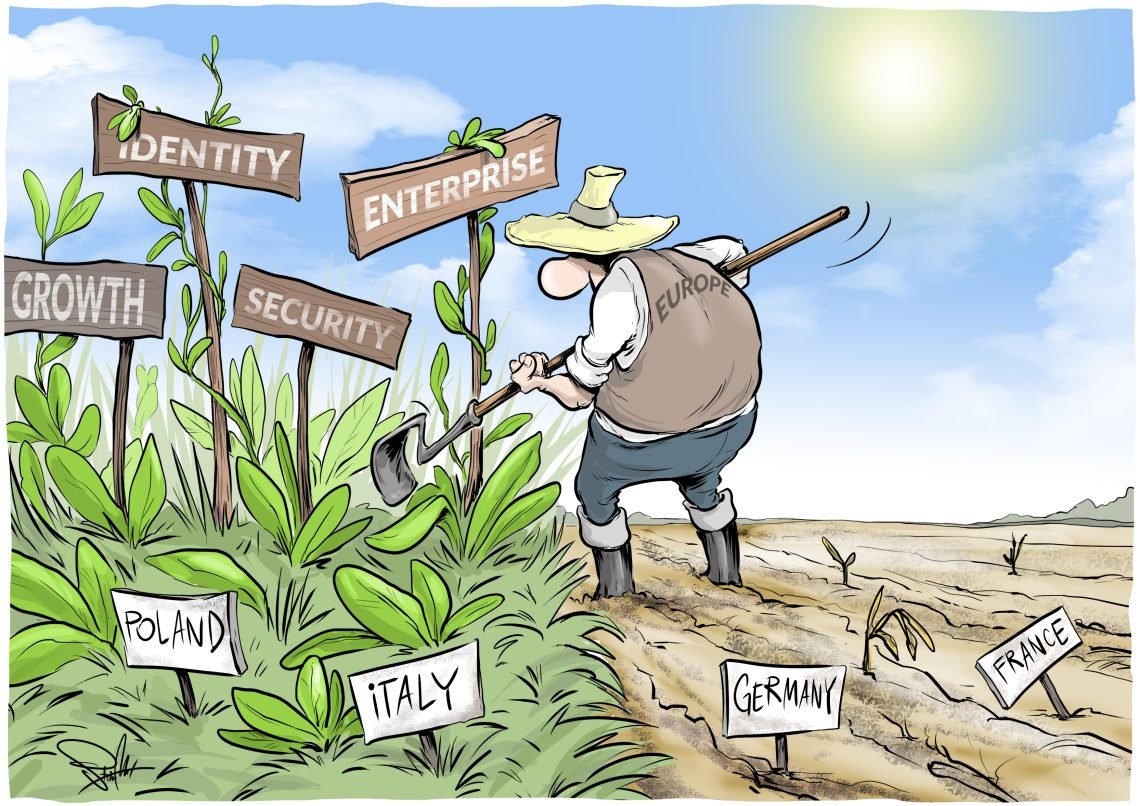
Amid this excitement, the European Union began establishing protective measures. It started regulating AI even before understanding what it really is. The consequence is that Europe has become uncompetitive, not only in developing this technology, but also in existing fields of activity. This deprives the European economy of an ideal tool. AI can help humankind become even more productive and enable more people to achieve prosperity.
We should not worry if some advocates get superrich for two reasons: The main concern should be to increase prosperity worldwide, not to curb it weakly. It is an economic fact that financial equality and general prosperity are incompatible. The Soviet system proved that economic equality leads to a mixture of abuse and mediocrity. Equality should exist before the law.
Furthermore, we can see that the superrich normally invest their money in new projects, which in most cases further develop and help humankind. The railway systems were first developed by superrich individuals and ultimately helped trade. And we can now see that much of the wealth of tech founders in the United States is going into the development of healthcare, space and many other areas, including philanthropy. Normally, they invest the money better than the state does.
What is likely, however, is that we will have to undergo a gradual change, mostly in white-collar work. A shift will be necessary: from administration, where many routine tasks can be automated, to services. This should once again provide a boost to prosperity. We should be afraid neither of artificial intelligence nor of inequality, but rather should be optimistic about the future.


Our Partners