A pragmatic new world disorder
Chinese President Xi Jinping and U.S. President Donald Trump, who lead the world’s two largest economies and most powerful militaries, are meeting this week in Beijing. Discussions focus on trade, Taiwan and other global issues, including the situation in Iran.
The old rules-based world order has been eroding for some time. In the past, this system worked well: Free trade, deregulation and market economies spurred significant development, lifting hundreds of millions out of extreme poverty and hunger. The system relied on a hegemon – the U.S. – to protect it. That is no longer the case.
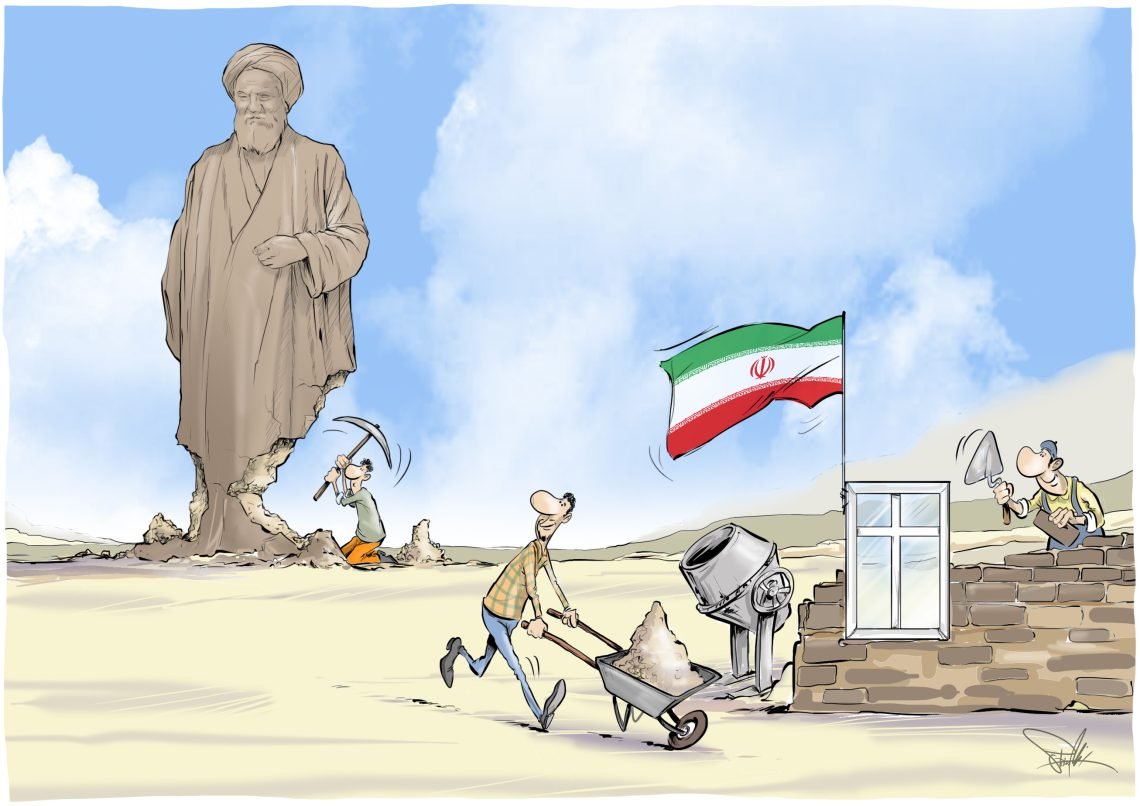
The regulatory enthusiasm of governments and supranational organizations, such as the Organization for Economic Co-operation and Development and the G20, has adversely affected business and free trade. A tightly controlled system and a tax cartel designed to maximize tax collection can lead us down the road to a planned economy, which could be detrimental in the long run. At the same time, international law is misused to protect rogue actors such as Iran, and international courts appear highly biased.
The decline and misuse of international law are especially concerning for smaller states. They will have to find their place in regional organizations.
The United Nations plays a valuable role in establishing some international standards and serves as an important meeting ground, particularly for smaller countries. However, it fails in resolving conflicts.
There are concerns that the U.S. and China, as the G2, might – despite their differences – carve out their own spheres of influence and assume hegemonic roles. As plausible as this might seem, it will not work.
A new balance is emerging, based more on broader competition than on strict “order.”
The rise of middle powers
There is no need to worry too much. A new balance is emerging, based more on broader competition than on strict “order.” As long as competition does not lead to conflict, it can be just as beneficial as established norms, and in most cases, more efficient.
Middle powers are becoming more prominent on the global stage. Countries such as India, Turkiye, Saudi Arabia and Indonesia, among others, are gaining strength and self-awareness, assuming regional leadership roles and forming alliances. Their economic performance is also improving, which enhances their influence in global competition.
Consider Turkiye and its neighboring regions. The country holds an important strategic position between Europe and Asia, the Mediterranean and the Black Sea. This location provides valuable political and economic advantages but also leaves the country highly exposed in security terms. Turkiye is a prominent regional power in the Black Sea, the Caucasus, the eastern Mediterranean and the Middle East. It also exerts influence in the Balkans and the Horn of Africa. Given its precarious circumstances, Turkiye has been compelled to maintain a robust and experienced military. To safeguard its sovereignty, the country has also invested in developing a modern and highly efficient defense industry.
The Erdogan government significantly shapes regional dynamics. It plays a balancing role in the war between Russia and Ukraine, has influenced the Armenia-Azerbaijan war and has helped manage numerous other tensions, particularly in the Middle East. This demonstrates that Turkiye is effectively fulfilling its role as a regional power.
In this context, Ankara, along with Saudi Arabia and Pakistan, will be pivotal in the ongoing conflict surrounding Iran. These three neighboring countries understand the region’s realities, risks and opportunities far better than the parties to the outdated nuclear deal. That agreement included only the permanent members of the UN Security Council and Germany, while excluding key regional players. In the future, it is hoped that regional issues will be influenced more by middle powers than by large nations. At the moment, U.S. involvement has been necessary, but we can see that China does not want to be part of the game.
What is the role of Europe?
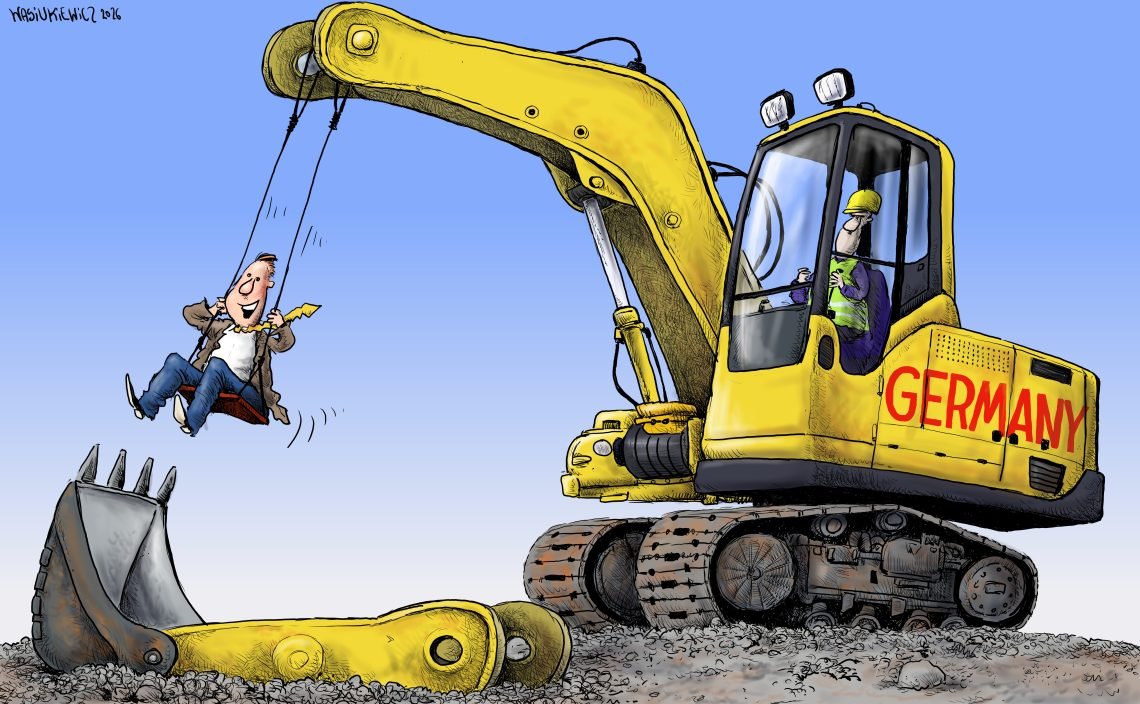
In the 1950s, the pioneers of European integration recognized a crucial truth: European nations alone lacked the strength to assert themselves as major global players, both economically and politically. This realization laid the groundwork for what ultimately became the European Union. Unfortunately, Europe is not taken seriously enough in the international arena today. Economically, it suffers from self-imposed regulatory and bureaucratic burdens that create notable inefficiencies in both government and business. One might even cynically suggest that policies at the national and union levels follow a deliberate strategy to undermine the competitiveness of European businesses.
Europe possesses numerous assets and has the potential to rise above mere middle-power status. To realize this, a complete rethinking of the EU’s functions is necessary. The focus should be on eliminating internal borders, establishing a robust internal market, and enhancing foreign and security policies. Member countries would also need to deregulate and reduce government burdens. This could involve cutting taxes, fewer regulations, internal competition and freeing manpower from the state to strengthen the private sector.
This shift is quite drastic and requires strong leadership and statesmanship. Measures like common debt and centralization are counterproductive. While the European capital market should be included among the four freedoms (free movement of goods, services, capital and people), there is no need for a common fiscal policy. It is crucial to maintain healthy competition while keeping borders open.
The end of the rules-based world order does not mean chaos. Instead, it will result in a more decentralized system that is not necessarily worse.
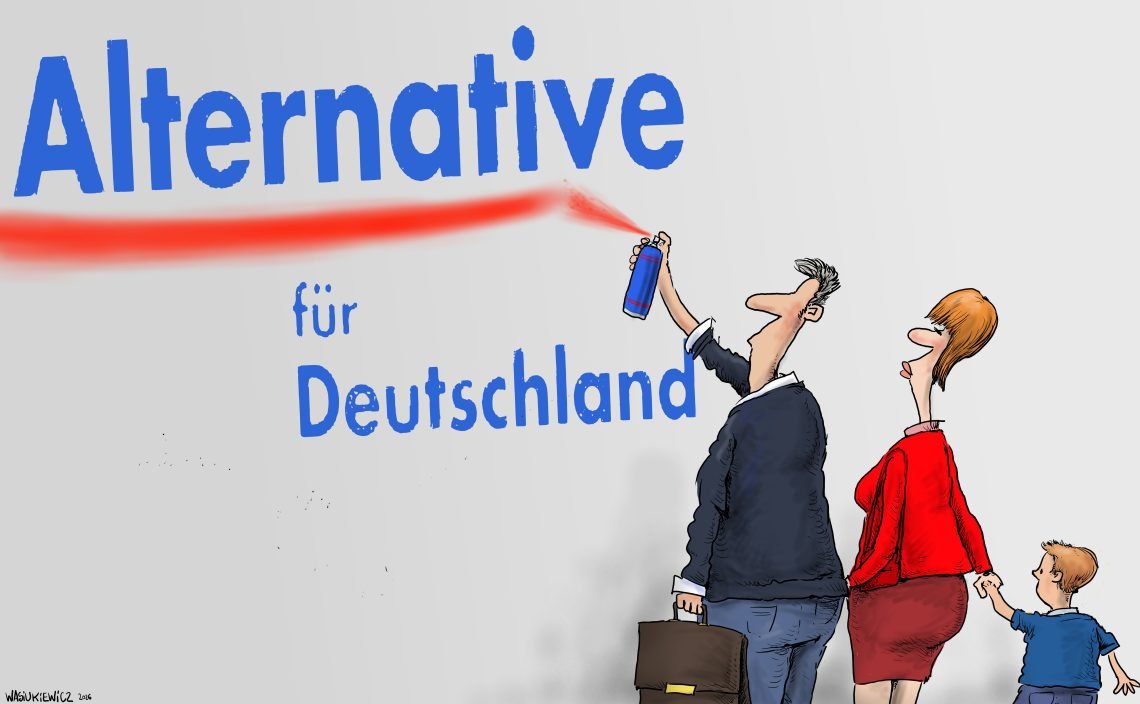
Currently, European politics displays significant dysfunction. Germany, the United Kingdom and France, the three largest countries, present an embarrassing picture. Nevertheless, their weaknesses and failures could ultimately lead to a much-needed restart.
Europe could learn from Turkiye’s approach. Ankara has a clever, engaged and long-term foreign policy aimed at securing the nation while influencing the politics of neighboring countries to protect its own interests. While its economic policies have flaws, they do not exhibit the same degree of planned self-destruction as Europe’s economic decline.
The end of the rules-based world order does not mean chaos. Instead, it will result in a more decentralized system that is not necessarily worse. These changes will compel Europe to take responsibility for the continent and work toward becoming robust and resilient again, leveraging both the tangible and intangible assets of the Old Continent.
Our Partners