The socialist view of democracy
On April 18, Spanish Prime Minister Pedro Sanchez convened a summit of so-called “progressive” leaders from around the world, bringing together roughly 6,000 participants. Among those in attendance were Brazilian President Luiz Inacio Lula da Silva, Mexican President Claudia Sheinbaum, Colombian President Gustavo Petro, South African President Cyril Ramaphosa, German Vice Chancellor Lars Klingbeil and other senior figures from socialist and social-democratic parties.
The underlying message was that only the socialist left can save democracy. According to this view, current threats to democracy come from “the right” – whatever this may mean.
Radical language and hollow convictions
This raises a fundamental question: What do “right” and “left” actually mean today? Historically, those on the right were rather conservative and prioritized freedom, while those on the left emphasized equality. Over time, however, these categories have evolved. Today, the right is more often associated with nationalist movements than with a clear stance on freedom or equality.
Individual freedom and personal responsibility, both essential pillars of a functioning democracy, were largely absent from the discussion.
The term “right” itself may no longer be entirely useful. Nationalist tendencies can also be found today within parts of the traditional left, including labor parties.
We also should consider the meaning of democracy and individual freedom. Democracy is a system of government that allows citizens to change their leaders peacefully and to hold them accountable.
One of the core functions of a liberal democracy is to guarantee individual freedoms and to enable citizens to defend themselves against the state through the rule of law. In this context, the constitution plays a crucial role. Traditionally, it exists to protect the rights of citizens from the state.
At the summit, however, the discussion had strong overtones of Klassenkampf (class struggle). The enemy of democracy was defined as “the right,” without a clear or consistent definition. Individual freedom and personal responsibility, both essential pillars of a functioning democracy, were largely absent from the discussion.
The Hungarian elections were praised as a major turning point, mainly celebrating Viktor Orban’s defeat. In fact, the results demonstrated that citizens can and do peacefully change their government. Contrary to doomsayers’ predictions, Prime Minister Viktor Orban accepted the democratic outcome and acknowledged his defeat.
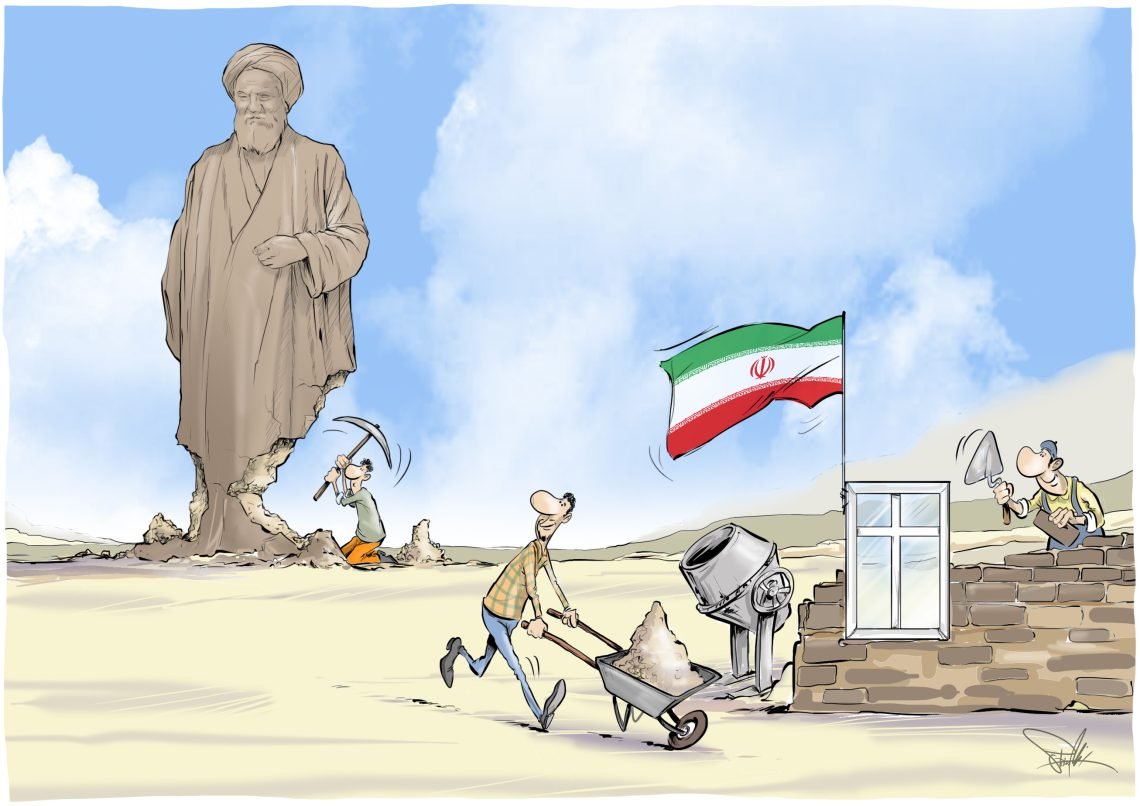
Yet the tone of the Barcelona meeting also carried more troubling undercurrents: Elements of radicalism, class struggle rhetoric, anti-Israel sentiment and, at times, sympathy for extremist positions. Iran, a proven leading state sponsor of terrorism, was not meaningfully challenged. Prime Minister Sanchez himself has been at the forefront of those resisting U.S. efforts to impose stronger measures against the regime in Tehran.
The Brazilian government tolerates Hezbollah, a terrorist organization that also operates networks from Sao Paulo. Hezbollah is not only hostile to Israel but also the main driver of war and suffering in Lebanon.
Taken together, the tone and substance of the Barcelona meeting suggest that today’s socialist movements can hardly claim to be striving for freedom, peace or the rule of law. In that light, their claim to be the primary defenders of democracy appears beyond hypocritical.
Thica comment was originally published here: https://www.gisreportsonline.com/r/socialist-summit-barcelona/
Our Partners