Baden-Wurttemberg election in a declining federal environment
Germany’s third-largest state, Baden-Wurttemberg, held its election on March 8, 2026. Baden-Wurttemberg is the only German state where the Greens have been the leading party for the past 15 years, under their popular prime minister, Winfried Kretschmann. Although Mr. Kretschmann – who did not seek reelection – was known for disciplined pragmatism rather than strict adherence to green ideology, he could not (or did not) prevent policies that harmed businesses.
Despite a slight dip in support, the Greens held on to their position as the leading party, finishing just under one percentage point ahead of the Christian Democratic Union (CDU). The CDU, along with the Alternative for Germany (AfD), which mainstream media and traditional politics have marginalized as a right-wing party, emerged as the big winners. The Social Democratic Party (SPD), the coalition partner of Chancellor Friedrich Merz in Berlin, was nearly wiped out.
Baden-Wurttemberg voted for political stability, but at the risk of further stagnation.
The Greens’ success stems mainly from trust in the competence of their local leadership, a factor that applies to some extent to the CDU as well. However, other factors strongly reflect the self-inflicted problems plaguing German federal politics.
Progress seems unlikely under the woke ideology promoted by the SPD through its dominant influence in government.
The coalition trap
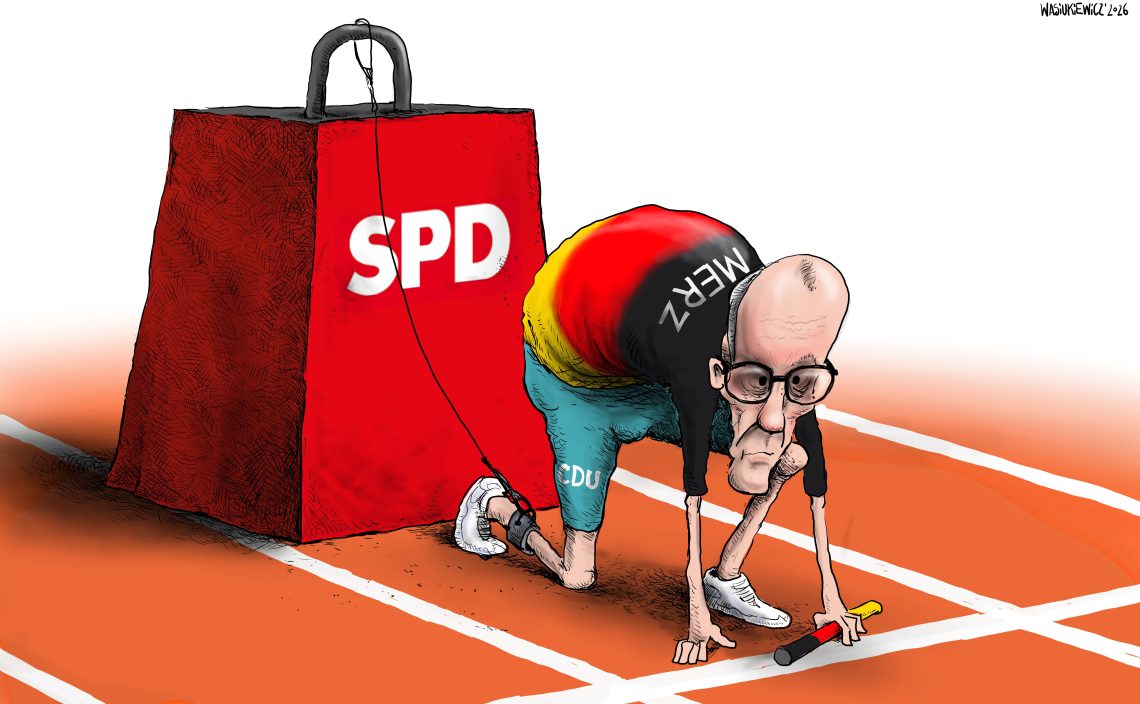
Following the federal election a year ago, the victorious CDU announced a Brandmauer (firewall) against the AfD, which had emerged as the second-largest party, ruling out any coalition with them. As a result, Chancellor Merz chose not to pursue a minority government, leaving him at the mercy of the defeated Social Democrats. This situation forced him to immediately abandon his key electoral promise to limit government debt. Now, the government and German politics are largely under the sway of the Social Democrats and their destructive current ideology. In the 2025 federal elections, they received only 16 percent of the vote, and in the Baden-Wurttemberg election, they secured just 5.5 percent.
A traditional Social Democrat succinctly described his party’s issue: “My party used to represent the interests of the workers; now it has become the party of the people who do not want to work.”
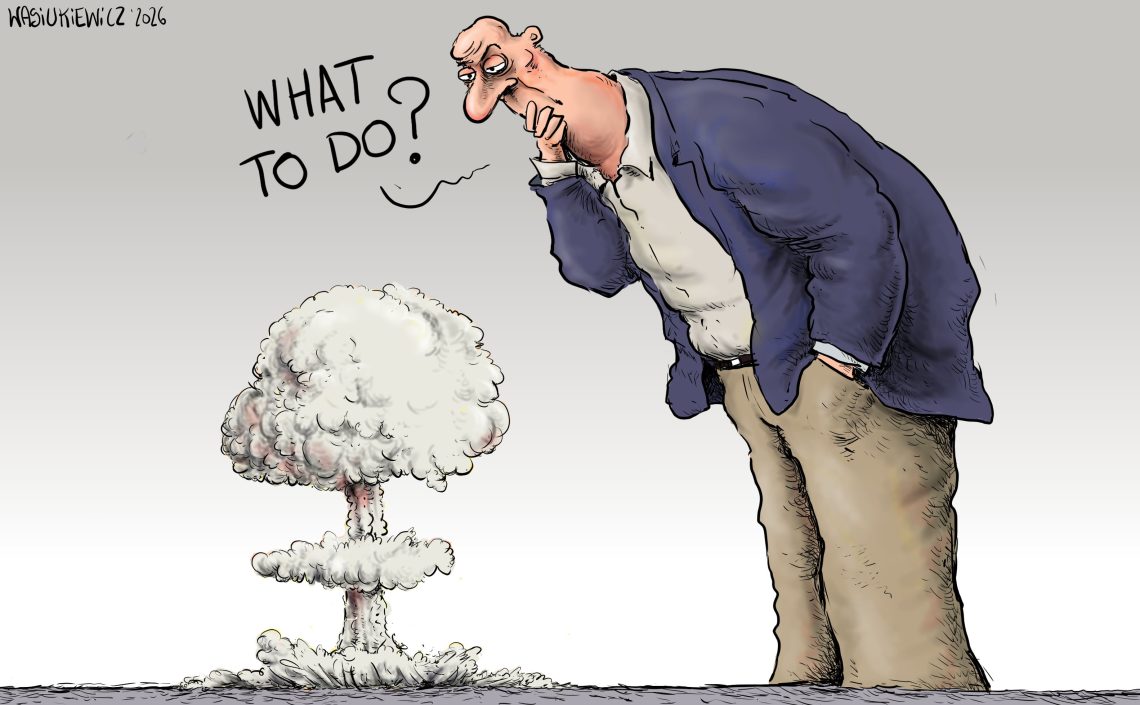
Germany has endured two decades of disastrous leadership, following 16 years of stagnation under the expedient, arrogant and left-leaning leadership of Chancellor Angela Merkel, along with three years of incompetence from the so-called “traffic light” coalition. The country is grappling with crumbling infrastructure, skyrocketing energy costs, excessive regulation, unresolved healthcare and retirement obligations, rising debt, uncontrolled migration, weak internal security, neglected defense and rapid deindustrialization. Progress seems unlikely under the woke ideology promoted by the SPD through its dominant influence in government.
There was a great deal of hope placed in Chancellor Merz. While he excels in foreign and security policies, he finds himself hamstrung in addressing internal, social and economic issues due to his coalition. The decline continues. Expectations for the Merz government have been disappointed. Only a robust, politically conservative and classical liberal economic movement – whether inside or outside the Christian Democrats – can truly clear the murky waters left by the Merkel era and give Germany a fresh start. Well-protected by the Brandmauer, the AfD is likely to continue growing and might even emerge as the strongest party.
This comment was originally published here: https://www.gisreportsonline.com/r/germany-political-decline/
Our Partners