Mohamed Moutii
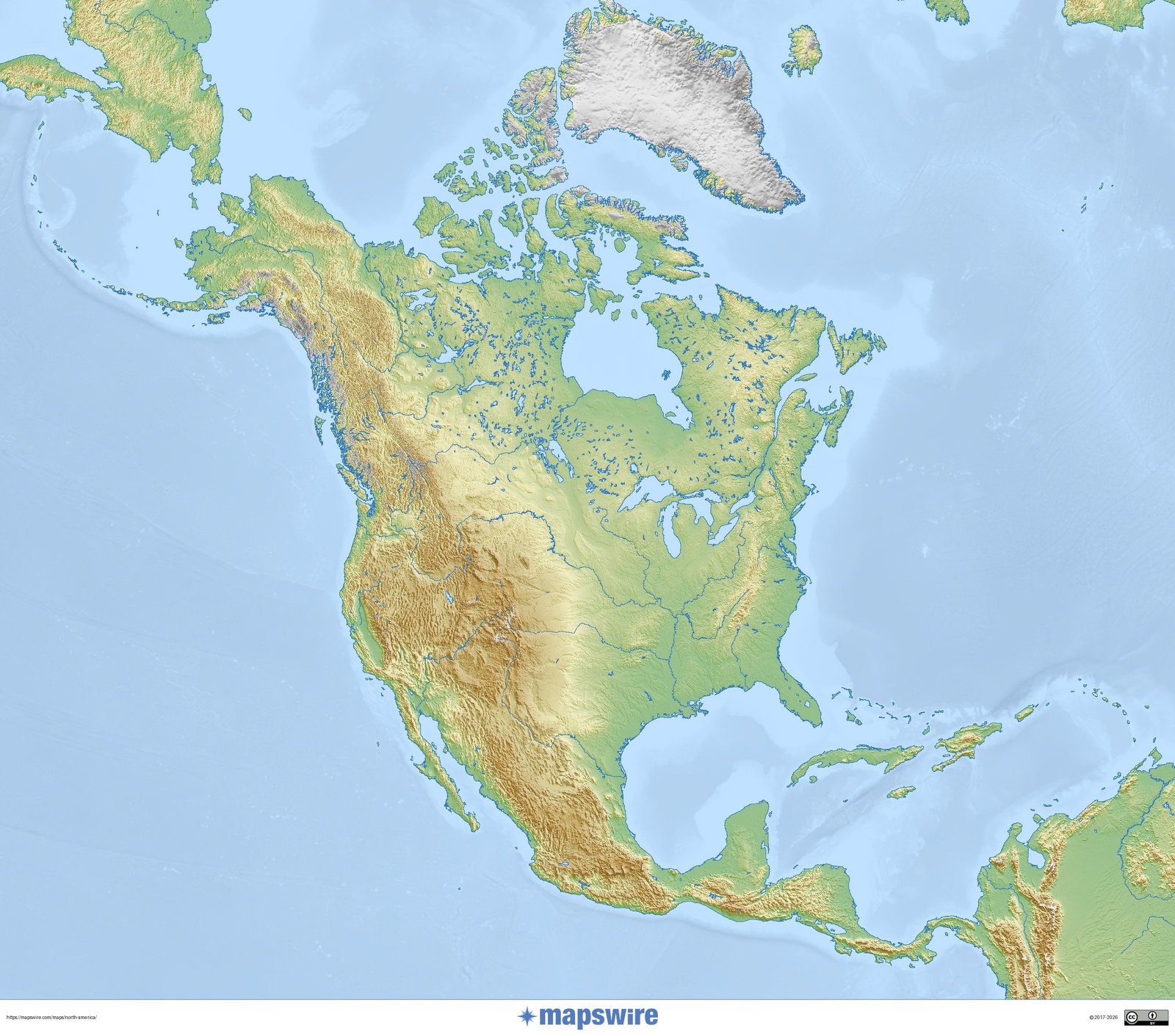
For nearly four decades, the United States and Canada have steadily opened their economies to one another. The 1989 Canada–U.S. Free Trade Agreement, followed by NAFTA and later the United States–Mexico–Canada Agreement (USMCA), lowered barriers […]
Over the past two decades, the European Union has become the world’s leading regulator of the digital economy, setting many of the rules governing how technology companies operate worldwide. Yet while Brussels has shaped global standards through the GDPR, the Digital Markets Act, the Digital Services Act, and the AI Act, Europe has failed to […]

ooooo For much of the past decade, Europe has been weighed down by prolonged economic stagnation. Growth has slowed, productivity has stalled, and even the continent’s largest economies—Germany and France among them—have struggled to regain momentum. Yet amid this malaise, one large European economy has been moving decisively in the opposite direction. Once synonymous with post-communist hardship […]
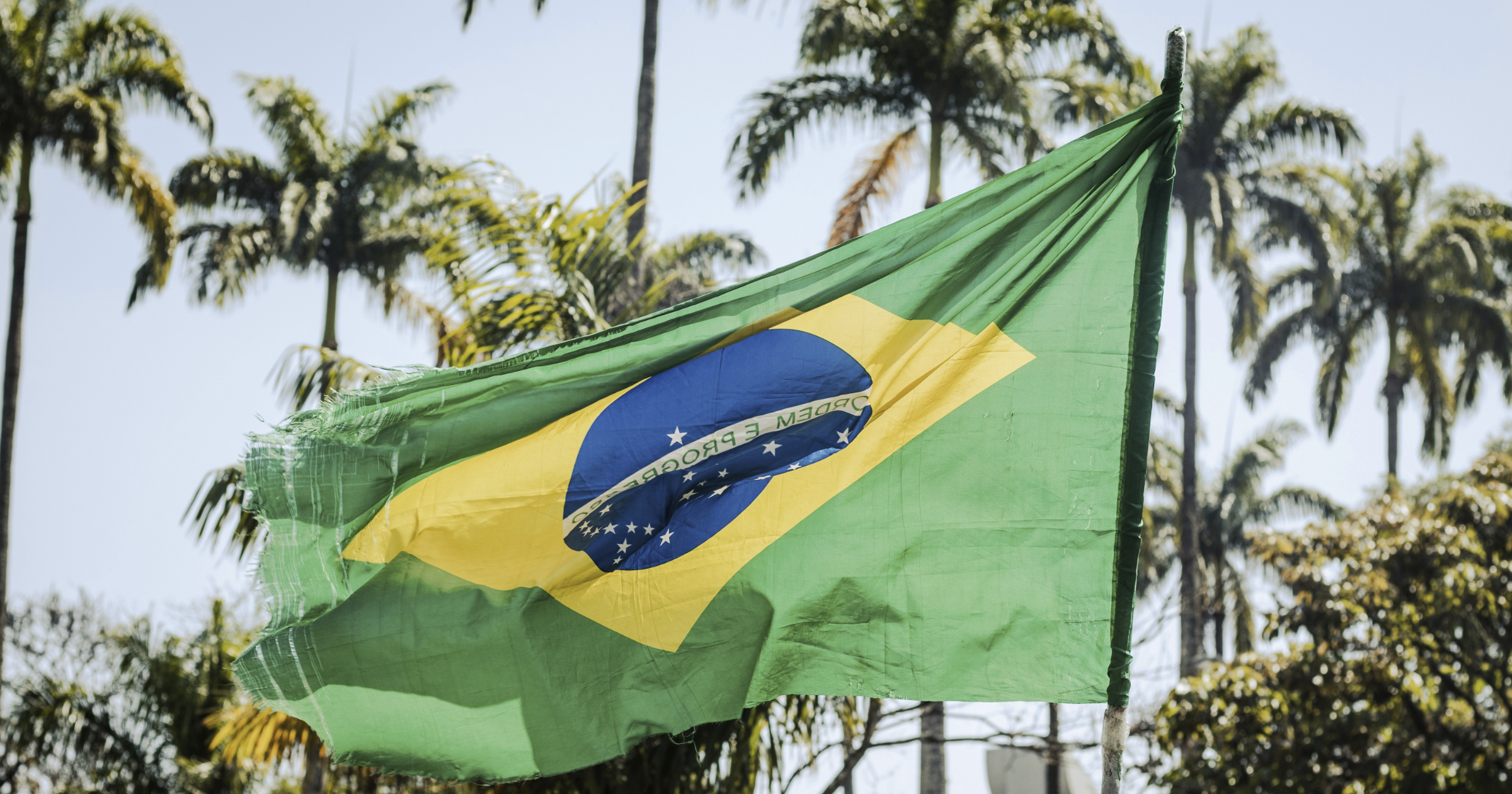
For more than two decades, the EU–Mercosur agreement remained out of reach—endlessly negotiated, periodically revived, and repeatedly declared dead. Since its launch in 1999, it has weathered financial crises, political shifts, and environmental disputes on both sides of the Atlantic. If finally implemented, it would unite the European Union and the Mercosur bloc—Argentina, Brazil, Paraguay, and Uruguay—into […]

For decades, America’s dominance in technology has rested on a simple but powerful principle: permissionless innovation—the idea that individuals and companies are free to build and experiment without first seeking government approval. This philosophy, which allows innovation by default unless clear harm is shown, unleashed breakthroughs from the personal computer to the internet, making the […]
Our Partners