The courage of the Iranian opposition
and Middle East peace
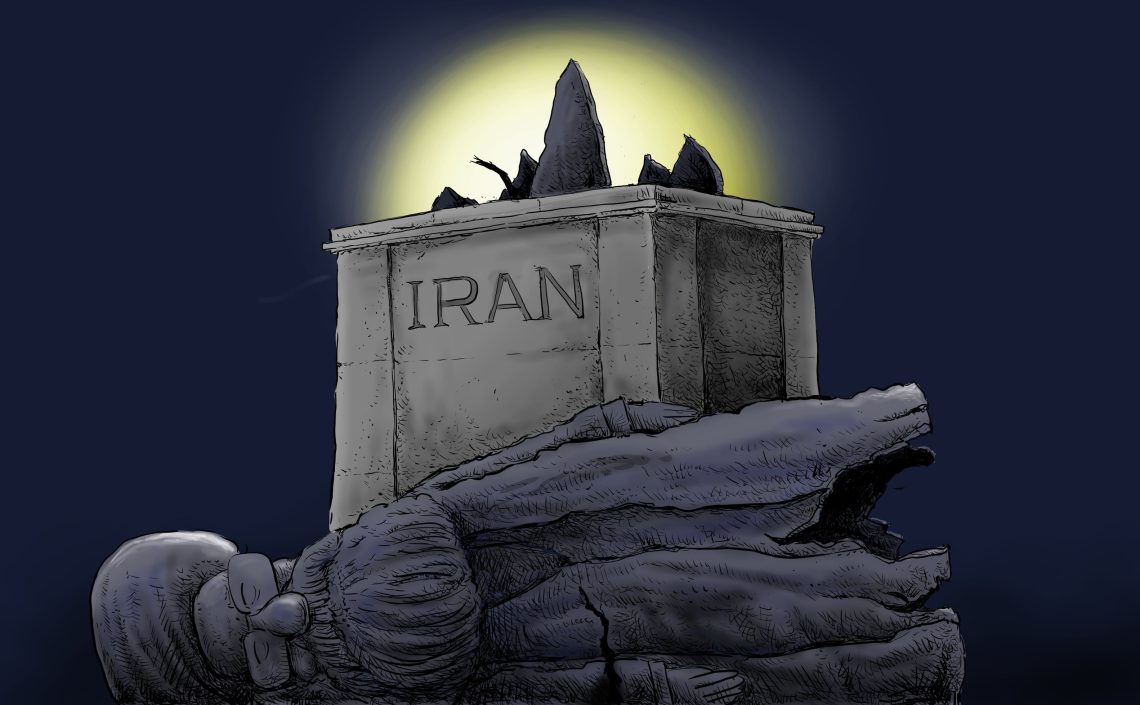
The United States and Israel have struck the regime in Tehran, eliminating the supreme leader and several key figures responsible for oppressing Iran. For more than 45 years, the Iranian people have suffered under a brutal authoritarian and terrorist system.
These strikes are necessary and justified. They represent an opportunity. The Middle East has long been plagued by insecurity, wars, internal conflicts and terrorism – most of it sponsored by Tehran. And all of that is not to mention the regime’s atrocities against its own population.
It is difficult to understand why politicians in Europe and parts of U.S. administrations not only tolerated these activities but even sought to continue supporting the regime. Agreements were made merely to delay – not fully halt – Iran’s nuclear ambitions, while no real effort was made to stop its sponsorship of terrorism.
The attacks of October 7, 2023 were a wake-up call. Already during President Donald Trump’s first administration, sanctions were reimposed on Iran. Many European governments, however, continued to cultivate relations with the mullahs.
As GIS has repeatedly argued, decisive action eventually became unavoidable. Yet some media outlets on both sides of the Atlantic – and many political actors as well – appear more interested in seeing President Trump or Israeli Prime Minister Benjamin Netanyahu embarrassed than in supporting the liberation of the Iranian people and the establishment of peace and prosperity in the region.
They repeat the familiar accusation that international law is being violated. But international law is not meant to protect terrorist systems. The U.S. and Israel are targeting a regime that sponsors terrorism – not the Iranian nation or its people. The current conflict cannot therefore represent a violation of international law. Nevertheless, some commentators appear eager to celebrate the possibility of failure.
It is regrettable that when a major uprising of the Iranian public began in January, the U.S. did not yet have a sufficient military presence in the region to intervene. The regime crushed that uprising – which constituted peaceful demonstrations – with brutal force, killing an estimated 30,000 people. Yet it is widely believed that more than 80 percent of Iranians not only oppose the regime but despise it. So far, the brutality of the Revolutionary Guards has kept the population suppressed.
Yes, the present situation creates a short-term crisis. But it also offers the possibility of eliminating a profound long-term threat.
The current U.S.-Israeli strikes could weaken that apparatus. Europe could also contribute by formally designating the regime as a terrorist system and suspending diplomatic relations. Such a step would send a powerful message. This is not a war against Iran – it is a necessary effort to defend against a criminal leadership that holds the Iranian people hostage.
Keeping the Strait of Hormuz open is a vital interest for Europe, much more so than for Washington. Yet European countries have refused to join the U.S. in defending vessels transiting the strait against attacks.
Regional implications
The Middle East will remain unstable as long as the Iranian regime uses its substantial power to foment war, civil conflict and terrorism. The impressive development achievements of Saudi Arabia and the other Gulf states will remain under constant threat as long as the mullahs rule in Tehran.
The current lament that the stability of Arab countries is being jeopardized is misplaced. Yes, the present situation creates a short-term crisis. But it also offers the possibility of eliminating a profound long-term threat.
Global consequences
The conflict also has global implications. The closure of the Strait of Hormuz has already upended global supply chains. Air traffic has been severely affected by the paralysis of major hubs in Dubai, Abu Dhabi and Doha, with aircraft grounded and logistics networks disrupted.
Financial markets are reacting nervously. Energy and fertilizer prices are rising. These developments are serious – but they also underline why action was necessary. A temporary crisis that can eventually be overcome is preferable to a permanent threat.
The anxiety now visible in political and economic circles reveals a troubling lack of leadership. For years – and in some cases even today – this hesitation has been the greatest asset of the criminal network that rules Iran. To a certain extent, political leaders around the world have acted as if they were in tacit collusion with the mullahs and the Revolutionary Guards. It is therefore to the credit of President Trump and Prime Minister Netanyahu that this pattern has been broken.
Prospects for change
Iran is a great country with a proud civilization. Many of its people are waiting for liberation. Yet the regime still controls the weapons and security forces, as the January uprising demonstrated.
Another uprising, in combination with dissent within Tehran’s institutions, remains possible if the regime is sufficiently weakened. Sources inside Iran suggest that such a development is realistic. It also appears that many opposition supporters and protesters view Crown Prince Reza Pahlavi as a unifying figure. During the January demonstrations, thousands reportedly chanted his name.
Reza Pahlavi himself has repeatedly stated that he does not seek power or the restoration of the monarchy. His stated goal is freedom, the rule of law and security for the Iranian people.
The courage of the Iranian people
Skeptics in the West warn that an uprising or a collapse of the leadership would create instability and therefore argue that diplomats should focus on calming the situation. Unfortunately, many people in the developed world have grown so comfortable and weak that they struggle to imagine a population willing to risk its life for freedom.
The people of Iran – especially the younger generation – have shown that they possess precisely that courage.
This comment was originally published here: https://www.gisreportsonline.com/r/iran-middle-east-stability/
Our Partners