
EU
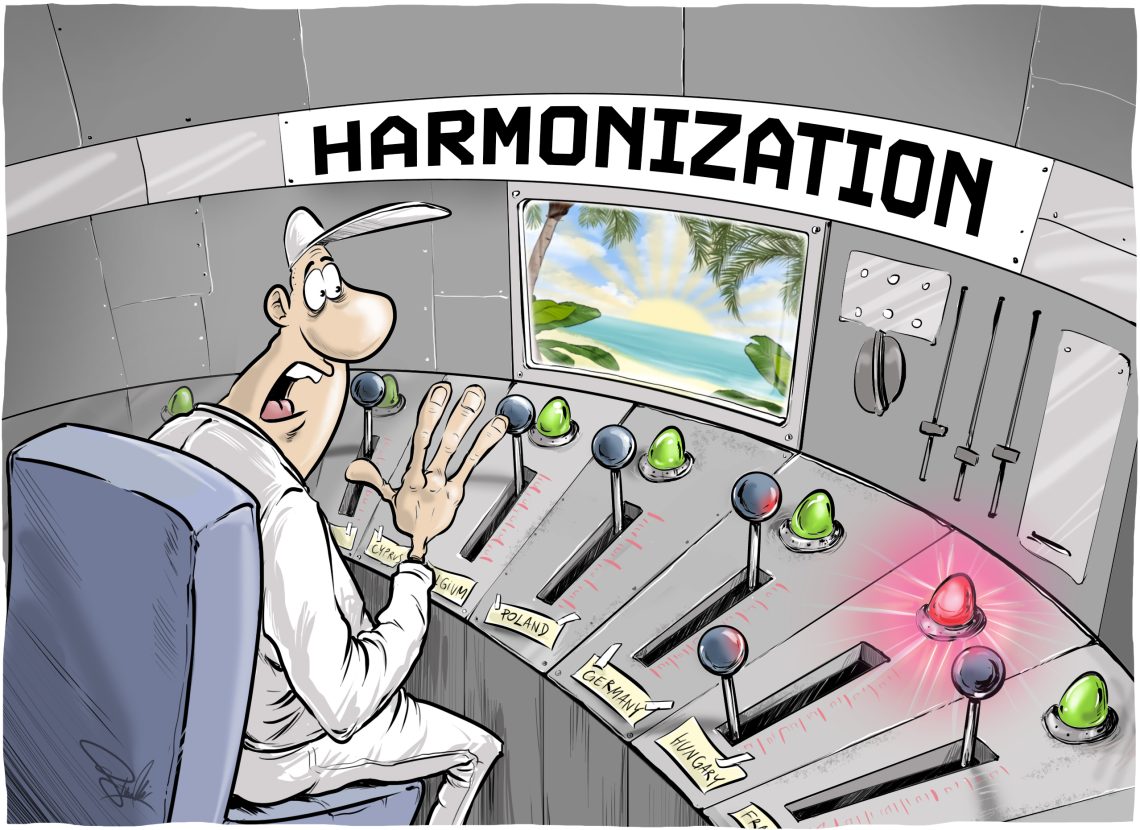
Hungary’s April 12 election, which delivered a landslide victory for the opposition Tisza party, reflects deep economic dissatisfaction. Tisza’s leader, Peter Magyar, proved an effective campaigner. Yet ideologically, the divide is less stark than often portrayed – both major camps are rooted in Christian-conservative traditions. The transition going smoothly: Prime Minister Viktor Orban congratulated his successor. The […]

As the story goes, there are no free rides. The costs of each journey must necessarily be borne by someone. They can be broken down into three categories: the monetary costs related to the construction, maintenance and management of infrastructures; the monetary costs related to the purchase and use of vehicles; the costs that […]

In late 2025, the European Union agreed to accelerate the removal of the customs-duty exemption for imported parcels valued under 150 euros, a technical change that will take effect from mid-2026. Under the new regime, low-value parcels entering the EU from third countries will be subject to a fixed customs duty, ending a long-standing […]
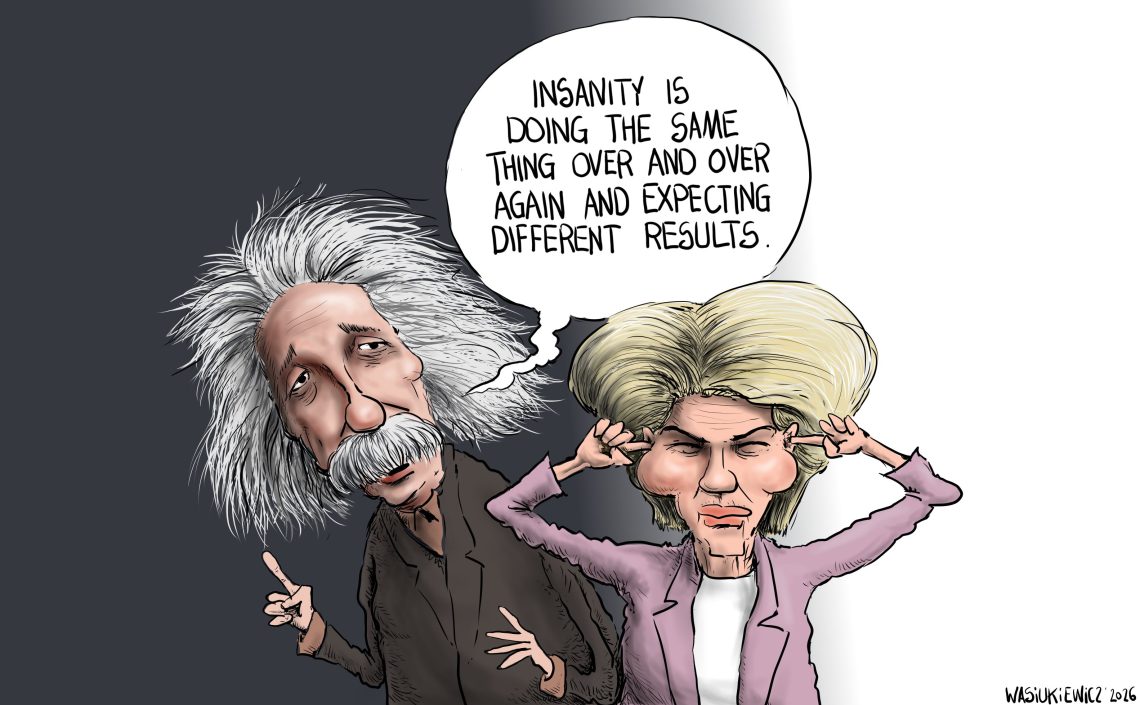
The European Council summit of March 19-20 was overshadowed by the Iranian crisis in the Strait of Hormuz and Hungary blocking a 90 billion-euro loan to Ukraine. But crucially, European leaders also chose to move forward with the Savings and Investment Union. The initiative provides high-level political backing for tapping into an estimated 10 […]
For much of the postwar era, macroeconomic policy rested on an intuition famously formalized by the Phillips curve: Economic slack, typically associated with high unemployment, and inflation tend to move in opposite directions. Weak growth cools prices; overheating pushes them up. Monetary policy can therefore stabilize one variable by leaning against the other. Stagflation […]
Our Partners