
central banks

Over the past two decades, many developments have raised questions about the role of central banks and how vulnerable they are to political pressure. It is also worth asking to what extent central bankers can influence politics, and whether such a state of affairs is desirable. In a world where national financial institutions act […]
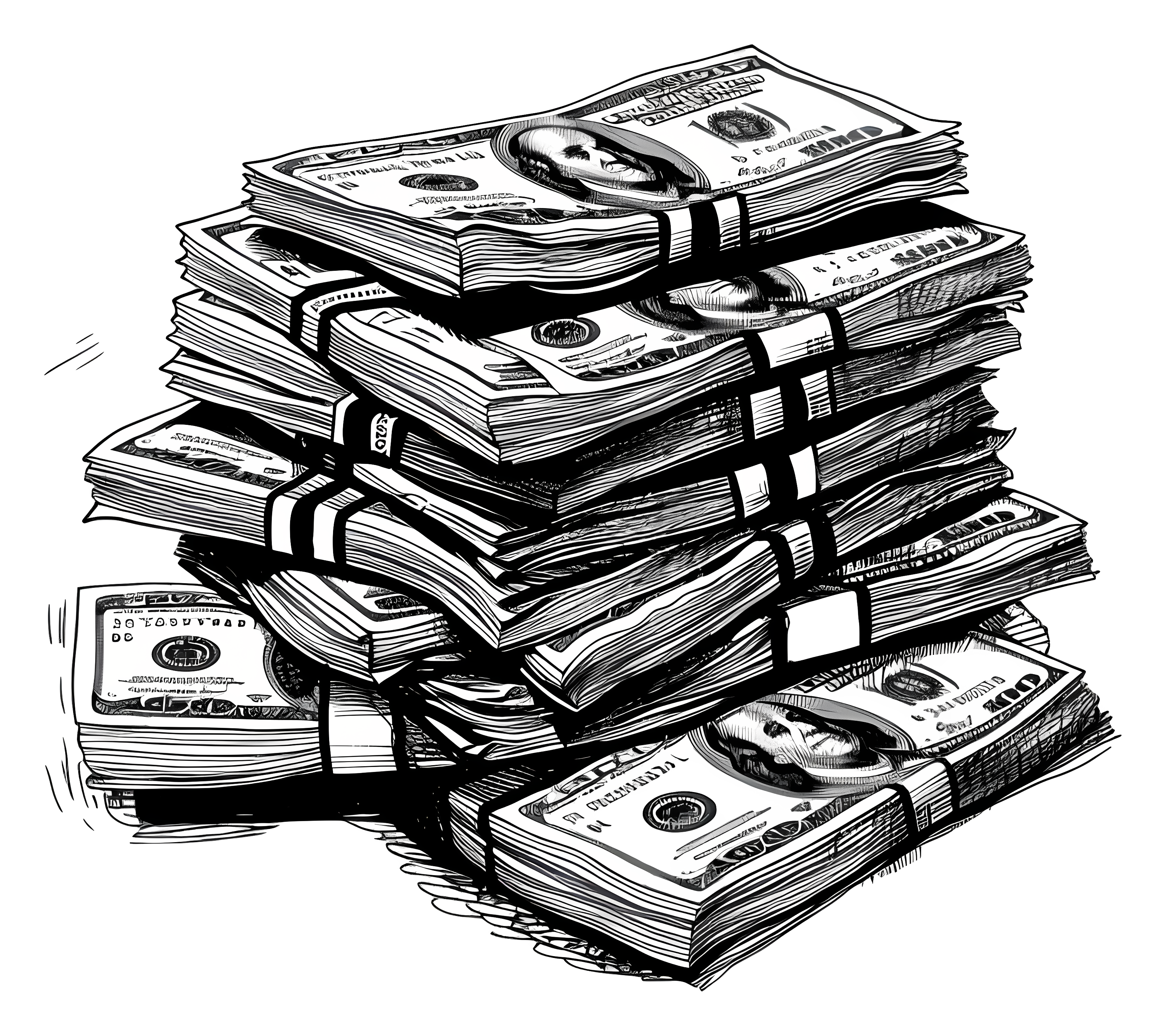
Central bank independence isn’t just wonky economic theory. It’s a stabilizing force in fiat money-using economies. When shortsighted politicians control monetary policy, the public suffers. Consider that with a 10 percent inflation rate, a $50,000 salary loses $5,000 in purchasing power annually—that’s a month’s rent, a year of groceries, or your child’s college savings evaporating. […]

The war on inflation is not over, but judging by the data, some battles have been won. In August, the annual rate of inflation was 2.5 percent in the United States and 2.2 percent in the eurozone. Core inflation, which excludes energy and food, was 3.2 percent and 2.8 percent in these areas respectively. […]

Over the past 25 years, total government debt in the United States has increased significantly, from about $10 trillion in 2008 to about $33 trillion in 2023. That is a 130 percent rise, net of consumer price index inflation. The size of the economy has certainly grown as well, but not enough to offset the […]
Following the 2008-2009 global financial crisis, policymakers unintentionally created a regulatory gap that gave nonbanks – enterprises without a banking license that are allowed to offer some banking services – a considerable competitive advantage over banks. It is a problem that is now coming back to haunt them. Fifteen years ago, all eyes were on […]
Our Partners