
Long overdue Epic Fury
will reshape the Middle East
The launch of the United States’ Operation Epic Fury is a logical and pragmatic consequence of Middle Eastern and geopolitical developments of the last 40 years.
Since the 1979 Islamic Revolution, which overthrew Shah Mohammad Reza Pahlavi, the hardline Islamist regime in Tehran has pursued a campaign to eliminate Israel and fight the U.S. Using the Israeli-Palestinian situation as a pretext, the mullahs’ regime was behind or involved in all conflicts and terrorist activities in the region.
The mullahs installed a brutal, oppressive system in Iran. Supported by terrorist proxy organizations, such as Hamas, Hezbollah and the Houthis, they attacked innocent people throughout the region. They caused civil wars, carnage and militant unrest in Iraq, Syria, Lebanon and Yemen, as well as terror attacks on Israel.
Tehran’s political objective was to maintain constant conflict between the Palestinians, Arab countries and Israel.
The Hamas attack on Israel on October 7, 2023, intending to frustrate the Abraham Accords that normalize Israel’s relations with Arab countries, was a step too far. As a consequence, Israel has nearly decimated Hamas and Hezbollah, although they have not succeeded in fully eliminating them.
Tehran’s political objective was to maintain constant conflict between the Palestinians, Arab countries and Israel.
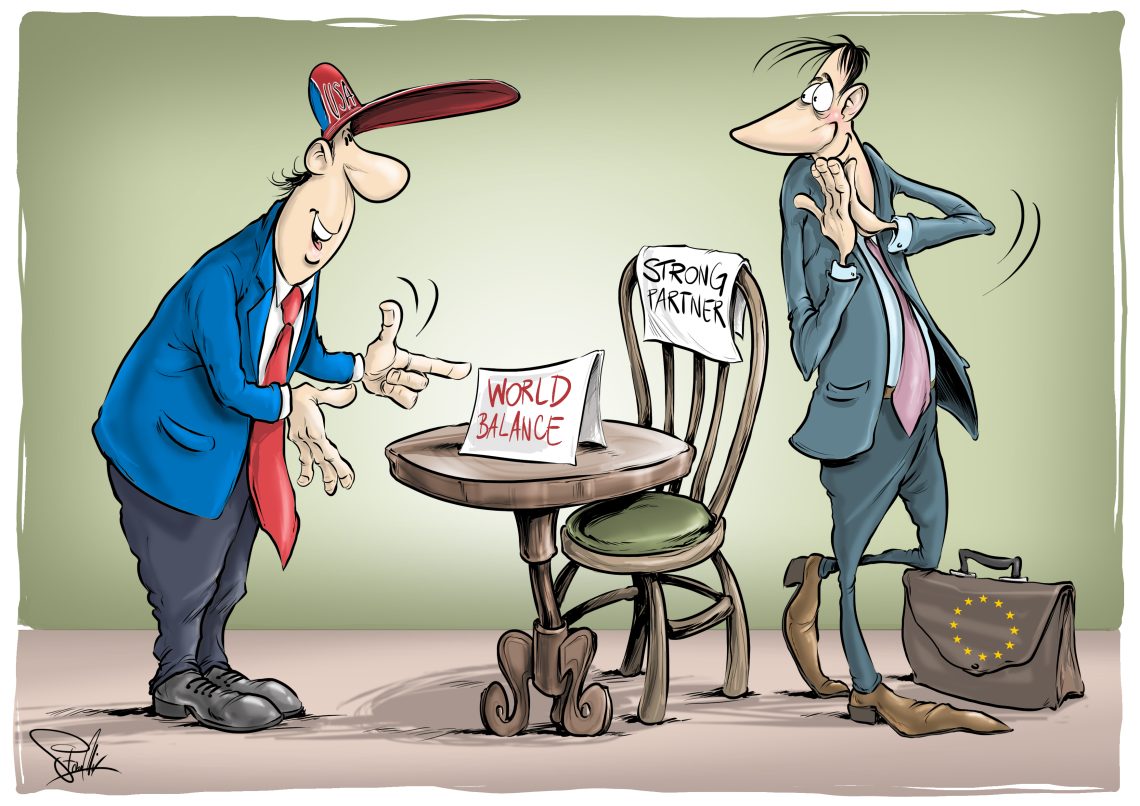
Strangely enough, the regime in Tehran remained somewhat of a spoiled darling of some European governments and the Obama administration. Even though some European countries have called for de-escalation by all parties, they naively seem to prefer long-term evil to a potential short-term destabilization of Iran.
The current moves by Washington are crucial and long overdue.
The White House’s objective is twofold: first, eliminating Tehran’s ability to develop nuclear weapons and limiting its offensive missile supplies and manufacturing, and second, creating opportunities for the people of Iran and its military forces to topple the cruel and dangerous system.
In the mullahs’ regime, ultimate control lies with the Supreme Leader, a cleric appointed for life. The regime is supported by the Islamic Revolutionary Guards Corps (IRGC) – highly-trained elite troops kept loyal through substantial privileges. They are not part of the army and report directly to the Supreme Leader.
Ayatollah Ali Khamenei held the position for nearly 40 years. He was an uninspiring technocratic fanatic with advanced tactical skills. The bloodshed the IRGC caused in January against demonstrators around the country was directly on his orders. It resulted in some 30,000 casualties.
The opportunity for the Middle East is immense.
The first U.S.-Israeli strikes were successful. The all-powerful and uncompromising Khamenei was killed, as were some core leaders of the national security apparatus and the IRGC, including the guards’ top commander and the minister of defense. The regime is clearly weakened.
The responses from Tehran appear highly desperate and uncoordinated. Drone and missile attacks are not only being directed against Israel and U.S. installations, but also other targets, including civil ones, in Bahrain, Cyprus, Iraq, Kuwait, Lebanon, Oman, Qatar, Saudi Arabia and the United Arab Emirates. These countries might have preferred to remain neutral; being attacked antagonizes them more than threatening them. Ensuring some countries remain neutral would have been important to be able to continue talks. Doha and Abu Dhabi especially have provided good examples of such mediation services. Tehran’s only motivation to attack its Arab neighbors is hate and the regime’s willingness to unleash more destruction in a hopeless situation.
Yet the opportunity for the Middle East is immense. All other regional powers today have responsible leadership aiming – obviously acting in the countries’ self-interest − for a long-term increase in peace and prosperity. The only ideological power remaining is Iran.
What is crucial in the near future is for Iranian civil society to form itself into a resistance together with the armed forces to neutralize the IRGC. This was proposed by former Crown Prince Reza Pahlavi, an exiled leader of the opposition. Further American and Israeli pressure will be necessary to prevent the regime from reconstituting itself.
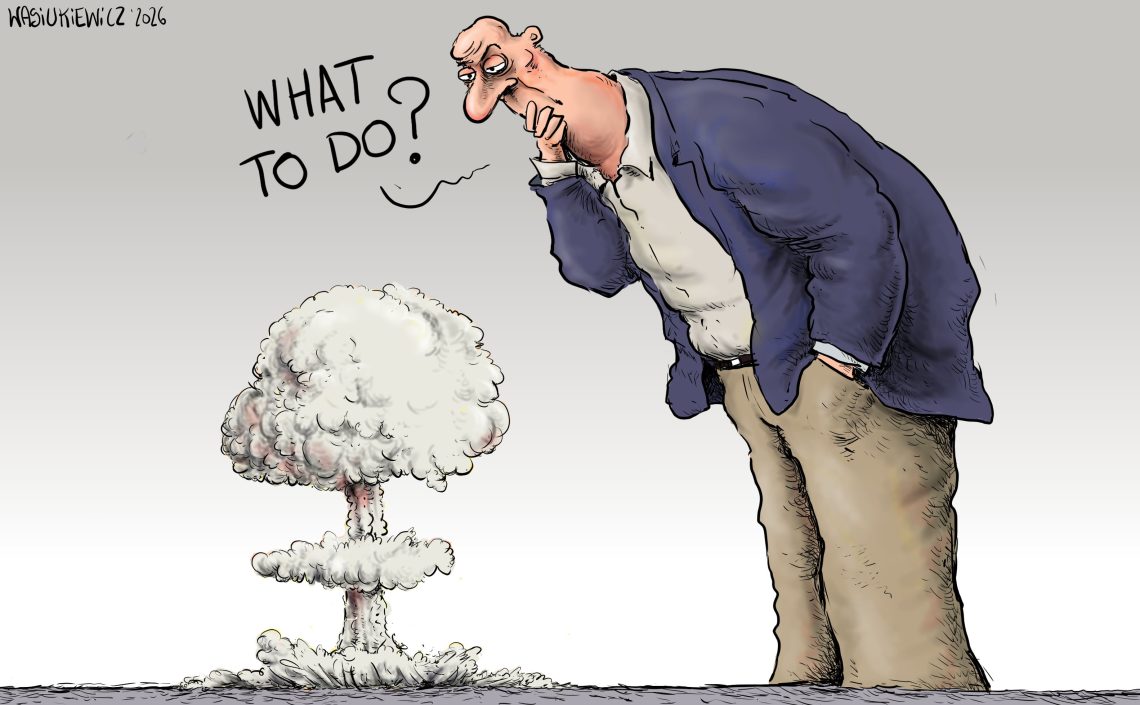
It is the wrong moment to de-escalate. The time for diplomats will come later. In the case of Afghanistan, international diplomacy squandered the achievements local groups had made in toppling the Taliban. Hopefully, this time the creation of a new system of governance will be left to Iranians themselves.
This comment was originally published here: https://www.gisreportsonline.com/r/epic-fury/
Our Partners