Global challenges in 2026 and beyond
The world is constantly changing; some periods feel relatively calm, while others are marked by rapid innovation, disruptions, challenges and even wars. We are clearly in one of the more turbulent phases right now, but also one that is defined by truly fundamental shifts that could prove as transformative as the transition from the Middle Ages to the Renaissance in Europe.
Trying to predict exactly what 2026 will bring can be an exercise in futility as things rarely unfold quite as we expect. Instead, it is far more valuable to think further ahead and consider the broader trajectory beyond the next year.
The economy
Over the past 40 years, there has been a growing emphasis on free trade, market economies and business innovation. Significant progress has been achieved, lifting a considerable portion of humanity out of extreme poverty and hunger. This momentum now appears to be stalling.
The current political fragmentation and the West’s sanctions regime have led to shifts in trade and an increase in protectionism. This has been unfolding for some time, quietly driven by the European Union’s regulatory protection measures and by China’s bureaucratic structures and subsidies. Recently, the issue has come to the forefront, particularly due to the United States’ tariffs.
The big hurdle for businesses and trade is the overwhelming number of national and supranational regulations. A tangled web of stringent and often unreasonable regulations stifles business operations and hampers innovation. Europe, unfortunately, stands out as a leading example of this negative trend, while supranational organizations such as the G20 and the Organisation for Economic Co-operation and Development (OECD) attempt to impose high regulatory standards globally.
A major impediment is the state’s increasing role in the economy. As public administrations grow, they draw talented individuals away from the productive private sector and into bureaucratic and oversight roles. This lowers productivity, and while modern technology can help mitigate some of these effects, the burden of taxation and insatiable government demands for revenue further drain resources away from investment and innovation in productive sectors. Consequently, the productive side of the economy is being squeezed from both ends.
Taxes alone are insufficient to support the bloated and inefficient administrations we see today. In particular, the old industrialized nations are grappling with debt levels that seem unmanageable under typical circumstances. As raising capital becomes increasingly challenging, the world could be heading toward insolvency.
The current political fragmentation and the West’s sanctions regime have led to a shift in trade and an increase in protectionism.
What is the consequence? Inflation is likely to rise over the long run, and taxation, already exorbitant in most countries, will worsen. This inconsistency reduces the possibility of broadening the tax base.
On a positive note, we can be optimistic about the potential of disruptive science, which is paving the way for remarkable applications that benefit both society and the economy. While we can expect transformative changes in healthcare, the positive outcomes may not be immediately evident. Artificial intelligence and blockchain technology are poised to serve as powerful tools for enhancing the efficiency of both the economy and infrastructure. If this boost in human productivity through technology is not hindered by excessive regulations, it could yield outstanding results. Yet, the hope that it will eliminate the drawbacks of an oversized state is utopian.
New technologies carry the inherent risk of being exploited by suspicious governments to monitor their citizens, a tendency found in both democracies and autocracies.
Politics
Europe
We have been observing this dynamic in global politics for several years now, and it is accelerating: the Global Majority, mainly the emerging countries, is playing an increasingly important role on the international stage. While the West often frames the discussion as a battle between democracies and autocracies, it is essentially a clash between countries with shrinking populations represented by the G7 (Europe, North America and Japan) on one side, and Russia, China, North Korea and Iran on the other.
The Global Majority is no longer willing to accept a world order built primarily on Western principles. Old concepts like hegemony, bipolarity or unipolarity are becoming obsolete. True hegemony, if it exists at all anymore, is now limited to regional levels.
With the collapse of the Soviet Union, the West believed it could impose a “mature” pro-Western democracy, thinking that global systems and cultures could be easily adapted to align with Western ideals. However, this belief is proving to be misguided, as it is becoming increasingly clear that governance structures must be tailored to fit local requirements, standards and cultures. Unfortunately, actions taken by some major powers are pushing the world toward greater fragmentation. Europe, often referred to as the old continent, is facing a crisis marked by overregulation as well as a weak and mediocre leadership. Welfare states have fostered a culture of entitlement.
After World War II, Europe lay in ruins following two devastating wars. The western part of the old continent experienced a remarkable recovery. The process of European integration proved unique and highly effective, ensuring peace and stimulating growth. Initially, European institutions focused on building a robust economy and implementing a system that supported local strengths rather than prioritizing harmonization. Deregulation was required. The enlargement to include Central European countries – fresh from throwing off the yoke of communism – stands as one of Europe’s greatest achievements. Unfortunately, the rise of bureaucratic politics began to hinder this progress, and an organization that stood for free markets allowed itself and its members to overregulate, proudly calling itself a regulatory superpower.
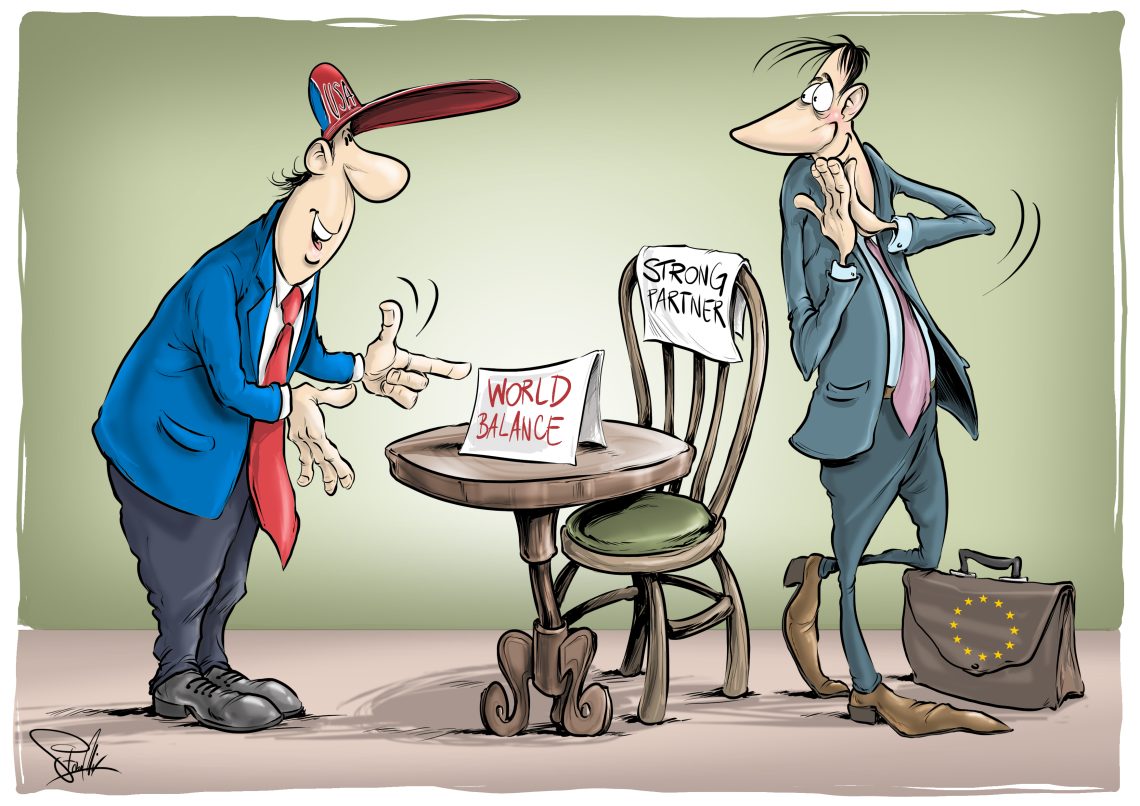
In the aftermath of the Soviet Union’s collapse, Europe placed excessive trust in the U.S., neglecting its own security and defense needs in a nearly reckless manner. Even before this, a strong pacifist sentiment took hold, bolstered by leftist parties and Soviet disinformation campaigns. This has left Europe with a concerningly weak defense posture. The Ukraine crisis has triggered a partial awakening, but European efforts to rebuild credible military strength remain far from sufficient.
Many European countries maintain an overly large public sector, which is proving detrimental to their long-term economic health. The combination of inadequate defense spending and a weakening economy is sharply eroding the continent’s competitiveness in an increasingly globalized world. Europe now lags in innovation, struggles to secure its critical supply chains and is unable to control migration flows.
Russia and Central Asia
Russia is the largest country in the world by land area, yet it has a relatively small population and economy. Despite this, it remains heavily militarized and harbors ambitions to act as a major global power. Its enormous size and strategic location, straddling Europe and East Asia, ensure that Russia will always be an important player on the world stage. Territorial vastness offers undeniable strategic advantages, but it also creates challenges, particularly the immense length of its borders.
As much as this size is a strength, those long borders represent a vulnerability. This is why Russia has historically been deeply wary of powerful neighbors. Today, Moscow portrays NATO as an existential threat, but in the longer term, China will emerge as the far more serious challenger along its eastern frontiers.
In future conflicts, Russia will hold a strong position in the Arctic. The region could become one of the main battlegrounds for space and economic dominance in years ahead.
The U.S. and the Americas
For the time being, the U.S. will remain the world’s preeminent power, both militarily and economically. “America First” has always been the guiding doctrine in Washington, but after World War II, U.S. leaders recognized that protecting the country required global intervention. This forward-leaning posture not only serves American security but also directly benefits its economy and trade.
A key factor in this dynamic is the U.S. dollar’s dominant role in global trade and financial transactions. While nations like those in the BRICS group, spearheaded by China, are attempting to challenge the dollar’s supremacy, any significant shifts are unlikely to materialize in the short term. Nevertheless, the ongoing weaponization of the dollar by the U.S. may intensify efforts by other countries to seek alternatives.
The ongoing weaponization of the dollar by the U.S. may intensify efforts by other countries to seek alternatives.
The U.S. will probably remain a conservative country at its core, regardless of which party holds power. This enduring character is evident in the strong public backlash against the progressive “woke” trends that gained prominence during the Obama and Biden administrations.
In South America, left-wing movements and policies have devastated several countries over the years. This now appears to be reversing. The most striking example is President Javier Milei’s success in Argentina. Once one of the world’s wealthiest nations, Argentina was brought to ruin by decades of socialist policies. President Milei’s bold shift toward free-market reforms has begun to reverse this decline. Chile has also moved toward a more market-friendly government, while in Venezuela, Nicolas Maduro’s brutal regime is facing growing prospects of being overthrown.
Venezuela has become a hub for anti-U.S. activities and a strategic foothold for China and Russia in the Western Hemisphere. This poses a direct national security threat to the U.S. With President Trump in office, we are witnessing a revision of the Monroe Doctrine. Originally proclaimed in the 1820s, it warned European monarchies against any further colonial ambitions in the Americas. Today, with European monarchies no longer a concern, this principle has naturally extended to countering extraterritorial influence from powers like Russia and China.
Asia
One of the primary issues at play is the economic trade conflict between the U.S. and China, which is further complicated by the strategic tensions surrounding China. This involves not just the U.S., but also its neighboring countries like Japan, South Korea, the ASEAN nations and Australia. China has also shifted from a system led by committees within the Chinese Communist Party (CCP), to one headed by President Xi Jinping.
Beijing’s most pressing problems are its declining population and stagnation of growth in prosperity. The promise of growing prosperity served as a key justification for the CCP’s rule. The internal weaknesses of major powers often pose a threat to global peace. In this context, China’s substantial military efforts can be seen as a real threat.
The ASEAN countries and those in South Asia are diligently working on their economies to maintain peace while also establishing their footing in international competition. In particular, India aims to secure a strong presence across the entire Indian Ocean.
Africa
Africa is a fascinating continent with enormous potential, particularly in its young and rapidly growing population, but it is also facing profound challenges. It possesses the world’s richest reserves of raw materials and vast tracts of fertile agricultural land, yet it has also endured some of the most devastating wars and conflicts. Africa’s importance on the global stage will only grow.
A new scramble for Africa is already underway, though this time it is primarily economic, focused on infrastructure, investment and development rather than direct colonial control. Russia and China are especially active players. Turkiye and the Gulf Cooperation Council (GCC) countries are also making significant and often highly positive contributions.
There is a growing rivalry among foreign powers for influence and control over Africa. Europe’s biggest mistake may well be underestimating the continent’s strategic importance and viewing it primarily as a source of migration risks. Instead, Europe could work to expand its business and economic ties with African nations, mainly by reducing regulatory barriers and scrapping burdensome rules, such as supply chain guidelines. Closer economic partnerships would not only foster mutual growth but also help African countries resist undue influence from Russia and China, preserving their true independence. Such cooperation could drive economic development that benefits both Africa and Europe.
The Middle East
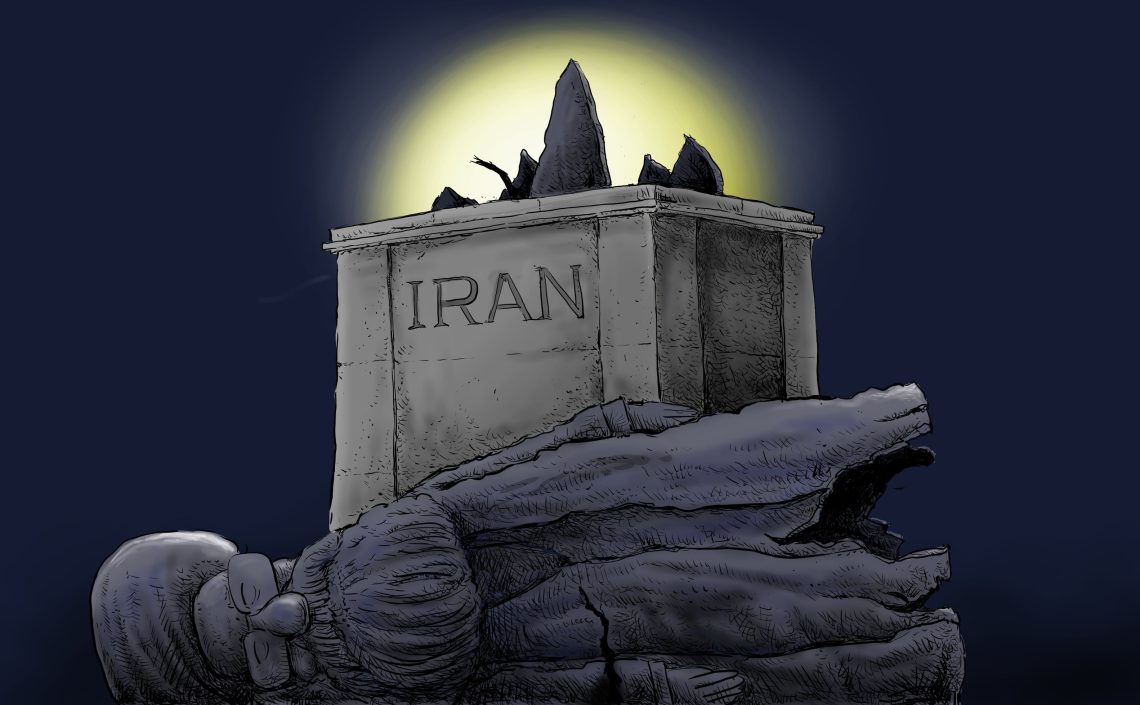
Unfortunately, tensions in the Middle East will continue. However, initiatives like the Abraham Accords, implemented by the U.S., will reduce hostilities between Israel and several Arab states, while limiting Iran’s opportunities for subversion. The regime in Tehran is facing increasing internal weaknesses, yet it is becoming more oppressive. The true power centers in the region are the GCC countries, Turkiye and Israel.
Security
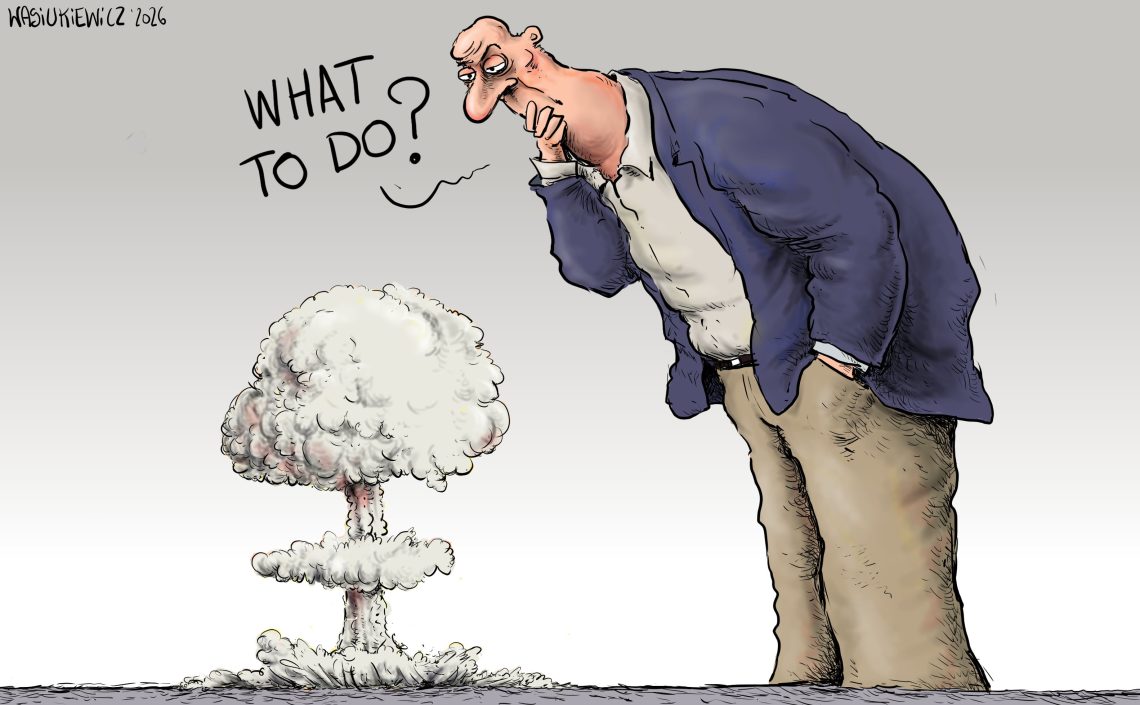
Warfare not only transforms weaponry but also reshapes the economy and cyberspace. Drones and hypersonic missiles are emerging as the dominant technologies of the future battlefield. As more nations pursue nuclear capabilities, the possibility of using tactical weapons has become a real concern that can no longer be overlooked.
The traditional domains of war, which had been land, sea and air, are now expanding to include cyberspace, outer space and the Arctic. Given China’s activities there, Antarctica is also likely to emerge as a strategically important region.
Society
One of the biggest phenomena is the declining population across much of the world. This demographic shift calls into question much of our current political and economic models. Although it has not received much attention yet, it is likely to emerge as one of the most disruptive developments of our time. Addressing this matter is crucial, but it remains largely overlooked.
There is a growing movement where people, especially the younger generation, are seeking a deeper sense of meaning in life. Religion is once again becoming an important aspect for many young individuals. Although this movement is less pronounced in Europe than in other parts of the world, it is beginning to gain traction here as well.
Foundations for deeper dialogue
These are just a few brief observations on the surface of these complex issues, but I hope they offer not only food for thought but also a strong foundation for further reflection and discussion.
This report was originally published here: https://www.gisreportsonline.com/r/challenges-in-2026-and-beyond/
Our Partners