De-escalation: A toxic diplomatic medicine
Since 1999, Venezuela has suffered from the corrupt mismanagement of Chavez-Maduro socialist despotism. The people of Iran, meanwhile, have lived under a brutal and oppressive system since 1979. Over time, the world grew accustomed to the existence of these extremist regimes. Now, there is a chance for change.
The United States carried out a successful strike against the regime in Venezuela, bombing military installations and arresting President Nicolas Maduro and his wife in their well-guarded bedroom. The couple were deported to New York, where they will stand trial.
The reaction to this operation in many parts of the world was astonishing. United Nations Secretary-General Antonio Guterres expressed deep alarm, called the action a “dangerous precedent” and urged inclusive democratic dialogue. He also stressed the importance of respecting international law.
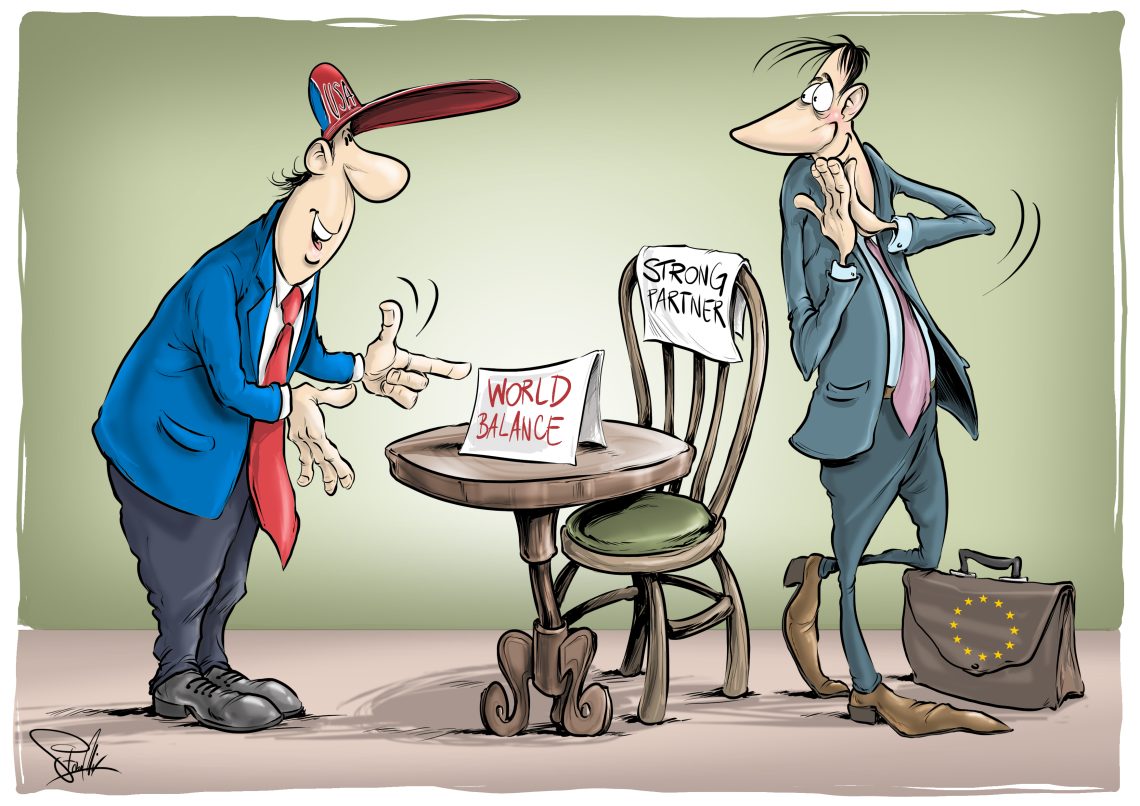
A similar – though slightly more moderate – tone emerged from the European Union. EU institutions and several member states called for restraint, de-escalation, peaceful solutions and respect for international law.
International law is indeed essential for peaceful interaction between states. Its legitimacy ends, however, when it is misused to shield oppression, criminal intervention in other countries, terrorism and trafficking. This was clearly the case with the Maduro regime. Drug trafficking was conducted directly by the state, while Venezuela also served as a haven and platform for drug cartels operating in Mexico and across the Caribbean. It became a base for Russian and Chinese anti-American activities, not to mention the immense suffering inflicted on its own population, forcing millions to migrate.
U.S. intentions are justified
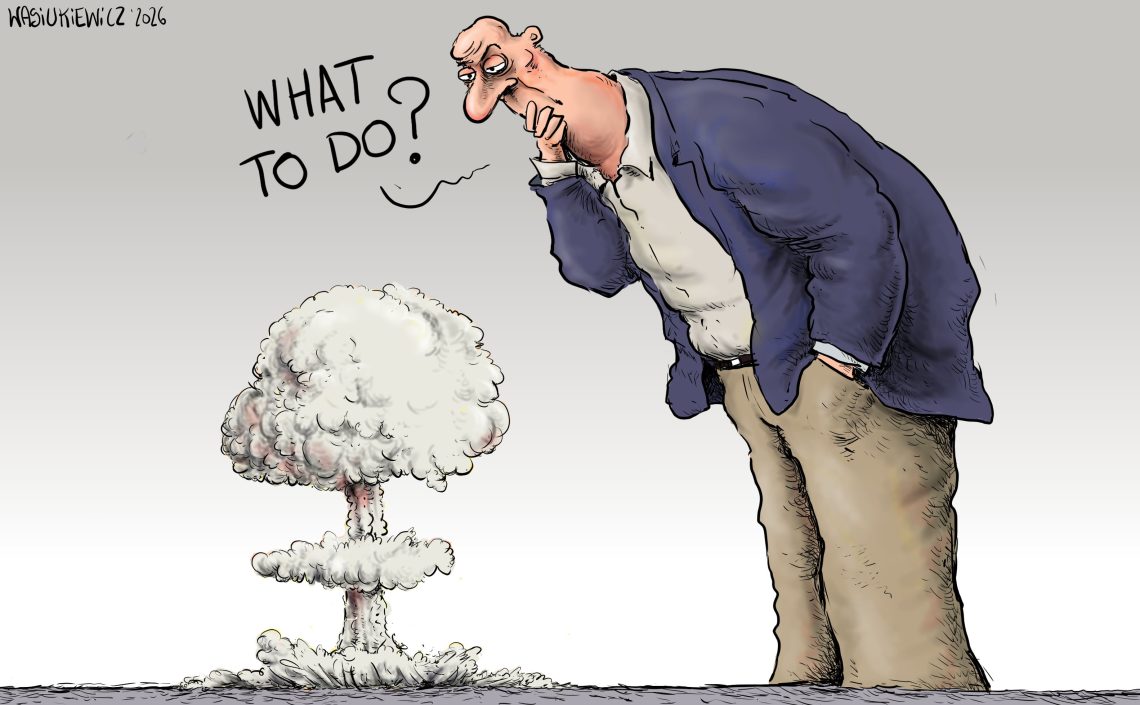
These activities constituted a clear threat to U.S. security. It is therefore deeply cynical to warn Washington against protecting its own interests – and those of the Venezuelan people. De-escalation and restraint do not work when confronting brutal dictators.
The U.S. is not pursuing regime change in Venezuela. Instead, it will work with Maduro’s successors, while ensuring that criminal and corrupt practices are abandoned. It will be up to Venezuelans themselves to restore the rule of law and proper governance.
De-escalation and restraint do not work when confronting brutal dictators.
Claims that the intervention was driven by oil interests are wrong. The U.S. does not need Venezuelan oil. Its concern is preventing Russia and China from obtaining Venezuelan crude at prices well below global market levels. The broader objective is to reestablish a functioning oil industry. Ironically, this remains problematic for U.S. companies, which still view Venezuela as unfit for investment.
Iran’s regime on the brink
Since 1979, Iran has endured a regime that oppresses large segments of its population and sponsors terrorism both regionally and globally. It is the world’s leading state sponsor of terrorism, a major destabilizing force in the Middle East and a global security threat. Its pursuit of nuclear weapons is especially dangerous in the hands of a rogue state.
Under a distorted understanding of de-escalation, the mullah regime became a “darling” of many Europeans and of the Obama and Biden administrations. Toward the end of the Obama presidency, the Joint Comprehensive Plan of Action (JCPOA) was concluded. It would not have terminated Iran’s nuclear weapons program, only delayed it. The agreement involved Iran, the permanent members of the UN Security Council and Germany, while excluding all Middle Eastern states. Sanctions were lifted, yet Iran was not required to cease its sponsorship of terrorism.
During his first term, President Donald Trump reimposed sanctions as Iran’s terror activities continued unabated. The European Union embarrassed itself by threatening sanctions against its own companies should they comply with U.S. restrictions. The Biden administration attempted to revive the JCPOA and lift sanctions, but failed.
Today, widespread protests are sweeping Iran. The regime has responded with extreme brutality. In recent weeks, several thousand people have reportedly been killed, with many more arrested. This time, the U.S. reacted forcefully. President Trump offered support to protesters without specifying details and made clear that Washington would not tolerate executions. So far, this warning appears to have had an effect, reinforced by the threat of holding perpetrators within Iranian security forces personally accountable.
At present, the U.S. lacks immediate military options, as its aircraft carriers are not positioned in the Mediterranean. Still, protesters know they are not alone and that the U.S. sympathizes with their cause.
International law cannot be a shield for criminals
European reactions have been far weaker, with few exceptions. Calls for restraint and the release of prisoners neither encourage the opposition nor intimidate the regime. The Islamic Revolutionary Guard Corps is still not designated as a terrorist organization in Europe, despite its global terror activities. That may now change.
A collapse of the Iranian regime would serve global peace. Supporting the protests could enable a regime change from within. Unfortunately, the regime may yet survive, despite being severely weakened. The 12-day war of June 2025, during which Israel and the U.S. degraded Iran’s nuclear program and eliminated key figures, demonstrated its vulnerability.
If international law is tolerated as a shield for criminal perpetrators, it will lose its authority. The same applies to UN courts if they protect rogue states or terrorist organizations from counterterrorist measures – as illustrated by recent actions directed against Israel’s prime minister.
This comment was originally published here: https://www.gisreportsonline.com/r/de-escalation-diplomatic-medicine/
Our Partners