
monetary policy

Earlier this month, U.S. gross federal debt exceeded $40 trillion. Some $10 trillion has been added in the past four and a half years. This debt level creates an increasingly difficult situation, as it is no longer so easy for the U.S. Treasury to place its securities at auction while preserving adequate market liquidity. […]
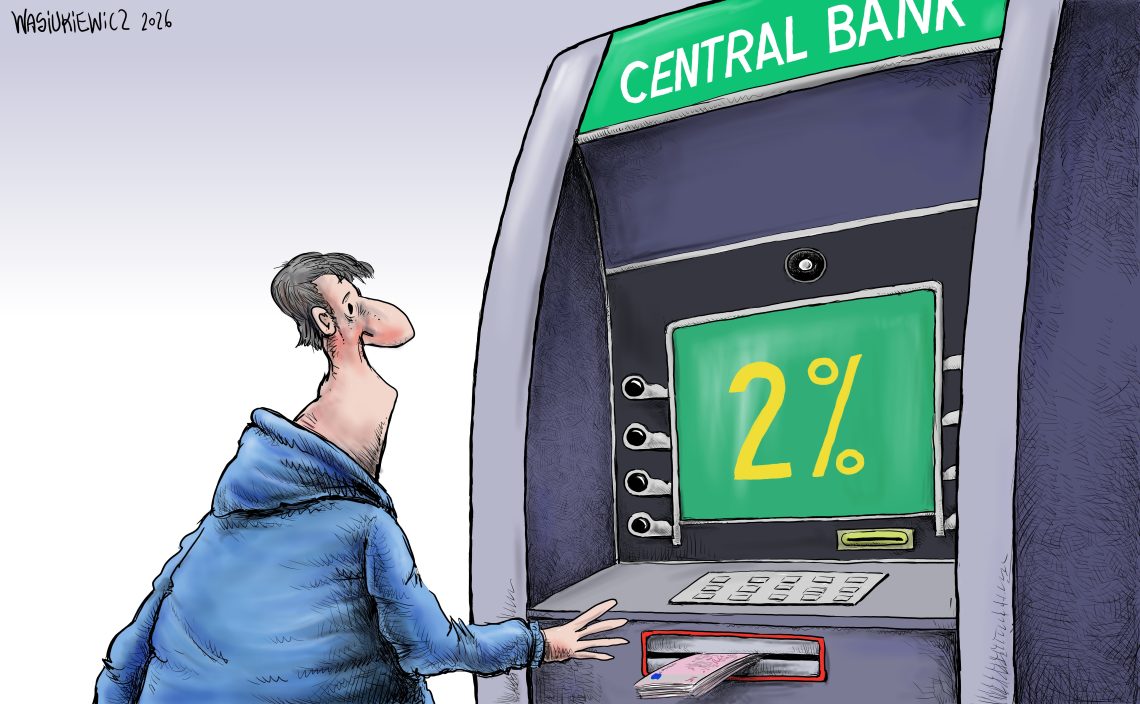
Inflation does not befall us like a curse, nor does it descend on us as tragic fate. It is always the result of reckless, and sometimes criminal, policy. These words were spoken by Ludwig Erhard, the visionary German minister of economics who laid the foundations for West Germany’s Wirtschaftswunder (“economic miracle”) in the 1950s and 1960s. Today, […]

For decades, monetary policy has been treated as the central lever of economic management. Interest rates and quantitative easing were expected to steer inflation and define the money supply. That model is now becoming obsolete. The structure of the economy has shifted and political pressures have intensified. Yet the core mechanisms meant to support […]

Argentina has had more IMF programs than almost any country in history. The count depends on how one tallies arrangements, waivers, and extensions, but the number exceeds twenty. The pattern is consistent: a crisis, a program, initial stabilization, eventual collapse, and a return to the Fund. The standard explanations cycle through familiar territory — […]

The IMF’s Board recently approved $1 billion in new disbursements to Argentina. The accompanying Staff Report and Selected Issues Paper are worth reading carefully — they are technically sophisticated, broadly fair to the Milei government’s achievements, and candid about the risks ahead. But they are also worth reading for a different reason: at several points, the documents’ own […]
Our Partners