
banking

Heterogeneous effects across bank types written by Karl-Friedrich Israel, Moritz Pfeifer, Tim Sepp , and Benjamin Treitz. May 25, 2026 Monetary policy changes the stability of German banks differently based on their ownership and business goals. Existing literature shows that monetary policies stabilize markets but can also encourage institutions to take higher risks. Using monthly balance sheet data […]
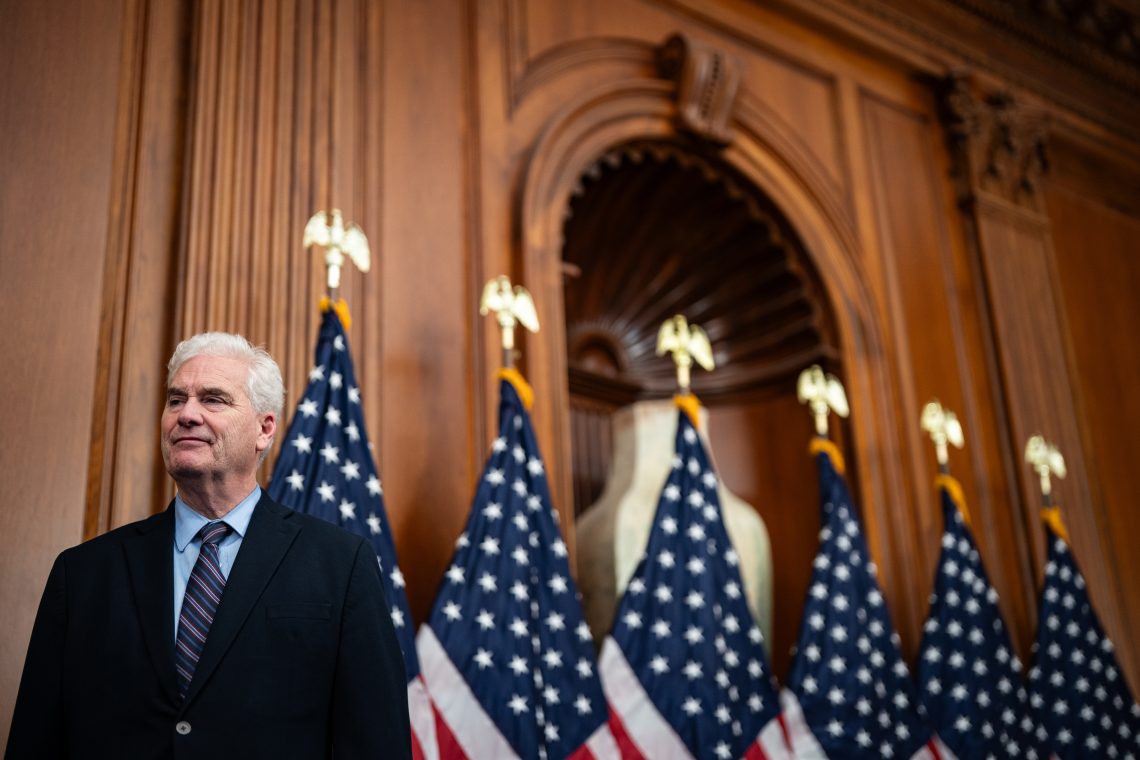
On July 17, the United States House of Representatives passed a bill prohibiting the Federal Reserve from creating a Central Bank Digital Currency (CBDC). Lawmakers consider the technology a threat to financial privacy and freedom, calling it incompatible with America’s fundamental democratic principles. The bill also codifies U.S. President Donald Trump’s executive order from […]

In July, JPMorgan Chase announced its decision to start imposing fees on fintech companies for access to customers’ bank account data. The largest lender in the United States sent out pricing sheets to data aggregators (intermediaries linking banks with fintech platforms), detailing new fees that vary by use case. Payment-focused startups will likely incur higher charges, […]

In an era when financial access is becoming increasingly digital, the benefits of this transition must be weighed against the risks. Convenience, efficiency and often lower expenses have certainly improved the banking experience for many customers, but at what cost? Privacy concerns and fears regarding the future of financial sovereignty and independence are on […]

Shadow banking has been gaining attention in the mainstream financial press in recent months, and although this sector is still largely unknown to most people, it has the potential to significantly impact them. The term “shadow banking” typically refers to non-bank financial intermediaries that offer credit and other banking-like services outside traditional regulatory and […]
Our Partners