Adam Michel
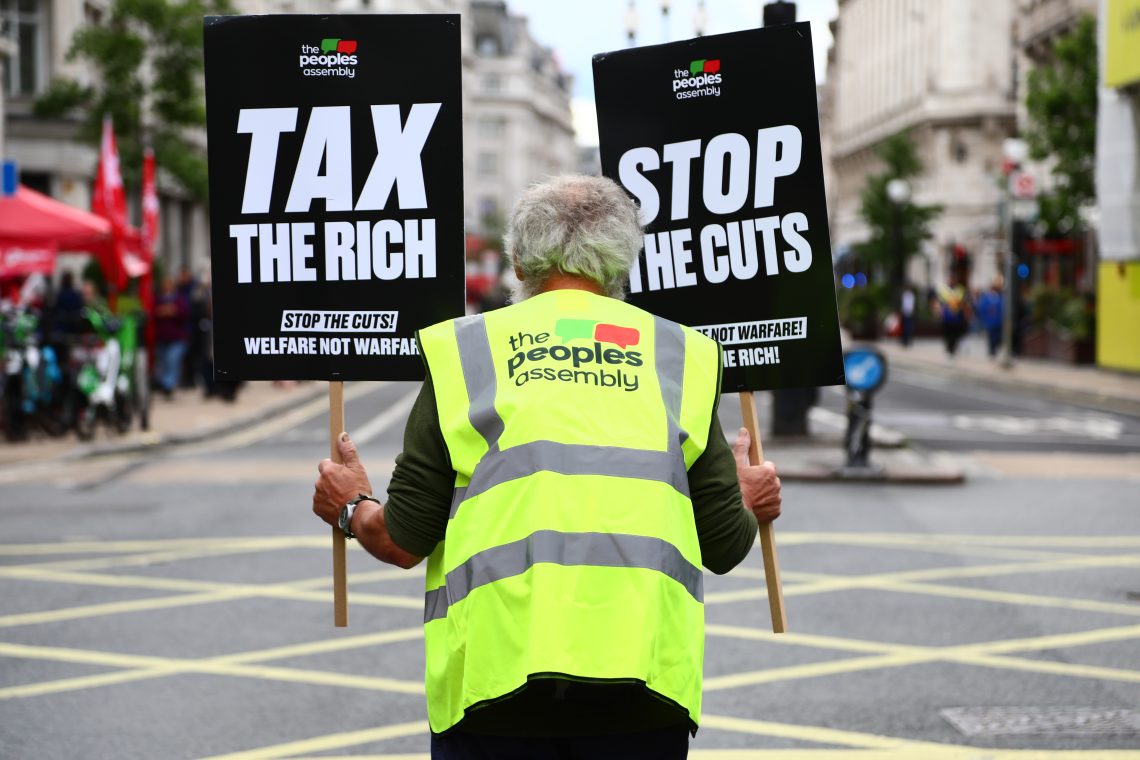
Over the past decade, the economic gap between the United States and the European Union has widened. What was once a slow divergence has accelerated since the pandemic, as growth, productivity and investment increasingly favor the U.S. This gap is more than a statistical curiosity; it reflects a deepening divide in policy orientation and […]
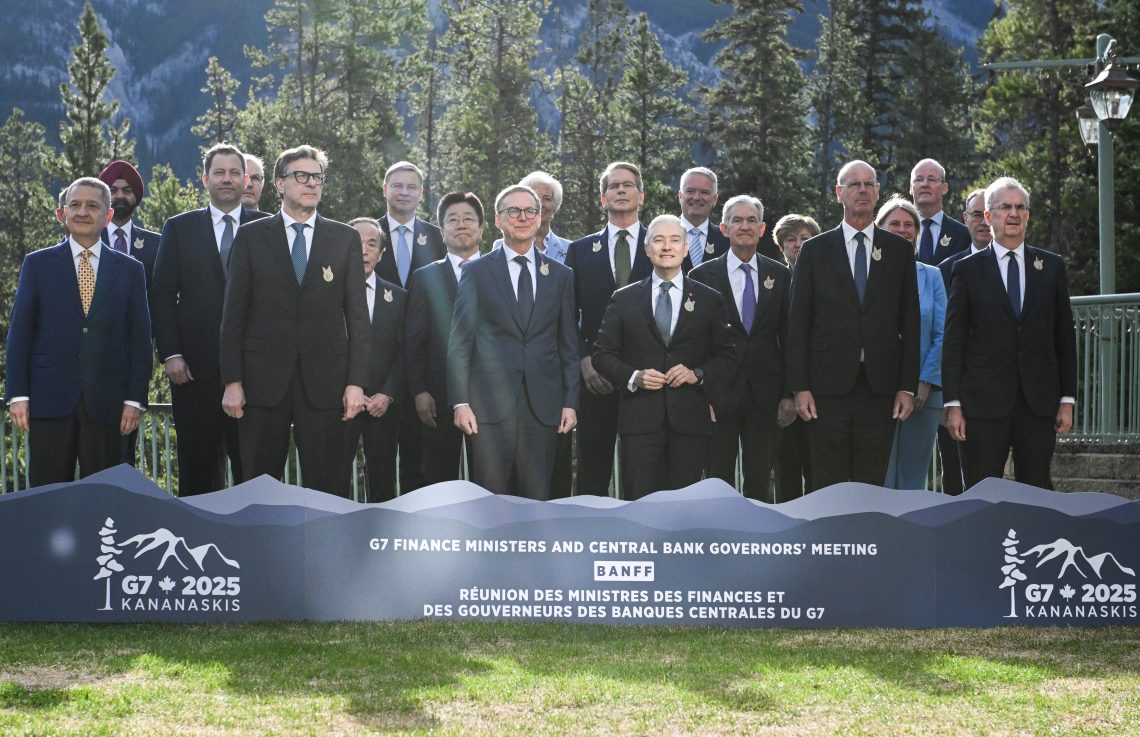
The decision by the administration of United States President Donald Trump to formally withdraw the U.S. from the Organisation for Economic Co-operation and Development’s (OECD) global tax agreement marks a turning point in international tax coordination. The move, however, is not a surprise. Congressional Republicans and President Trump have never supported the OECD’s Inclusive Framework. […]

Following Mario Draghi’s report on “The Future of European Competitiveness,” the European Union has become more attentive to the challenges posed by the lagging productivity growth that stems from declining innovation. The primary thrust of the report is to establish a new, Brussels-centered industrial policy that includes substantial subsidy programs, policy harmonization and tariffs designed to […]
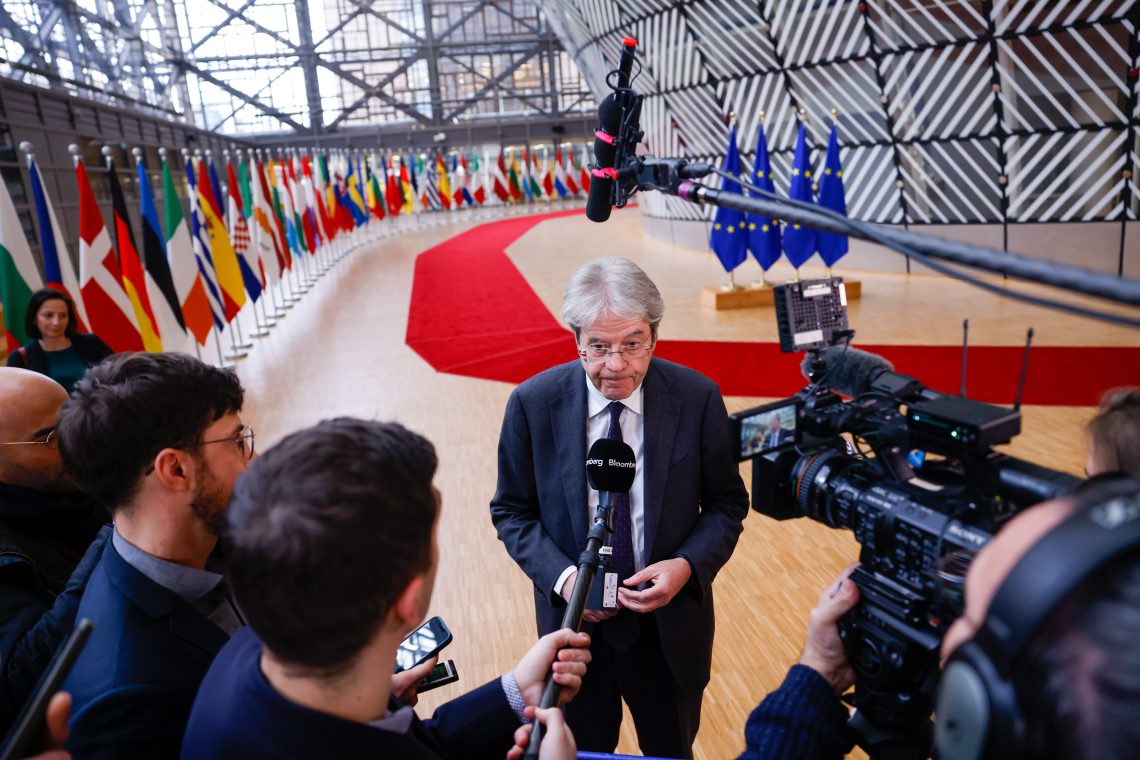
In the post-pandemic era, governments around the world are again struggling with high debt loads and persistent annual deficits in a kind of twisted homage to the post-2008 fiscal crises. As history stumbles toward repeating itself, the period following the global financial crisis can be instructive for policymakers grappling with new budgetary realities. Responding […]
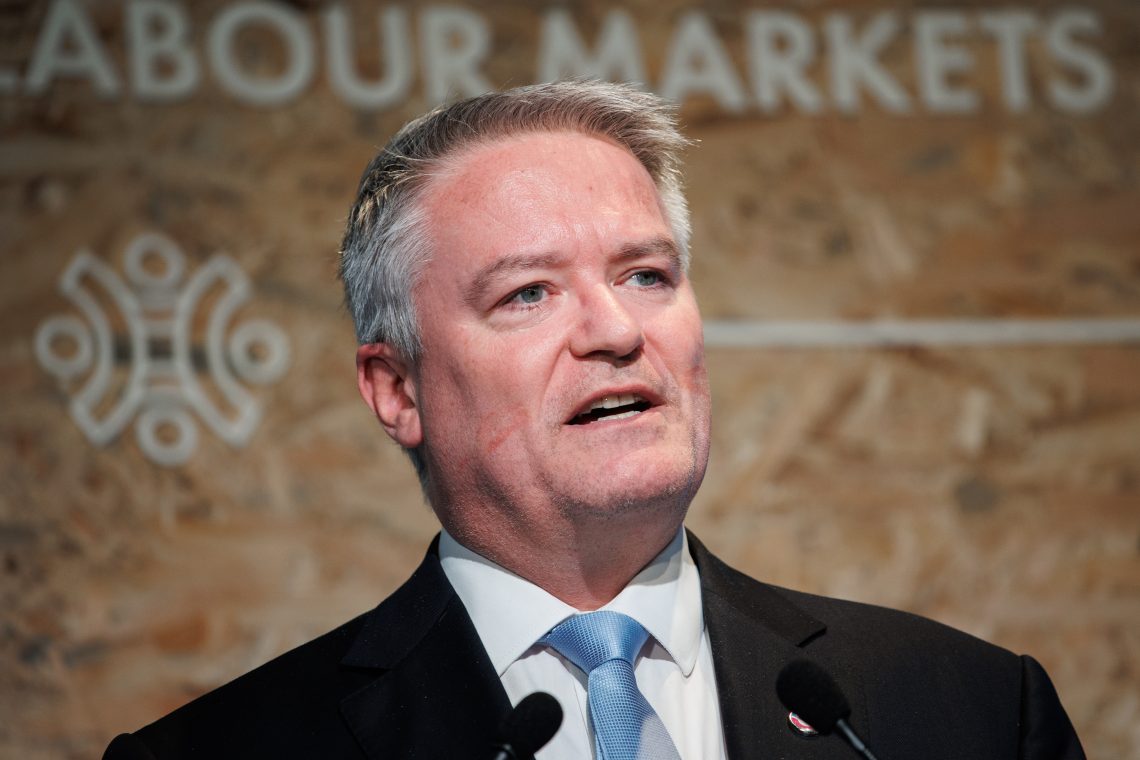
The landscape of global tax policy is undergoing a significant shift as the Organisation for Economic Co-operation and Development (OECD) spearheads multiple initiatives to increase taxes on international businesses and cross-border investment. The early success of the OECD’s “inclusive framework” used to forge consensus on global business tax increases has emboldened some policymakers to try to […]
Our Partners